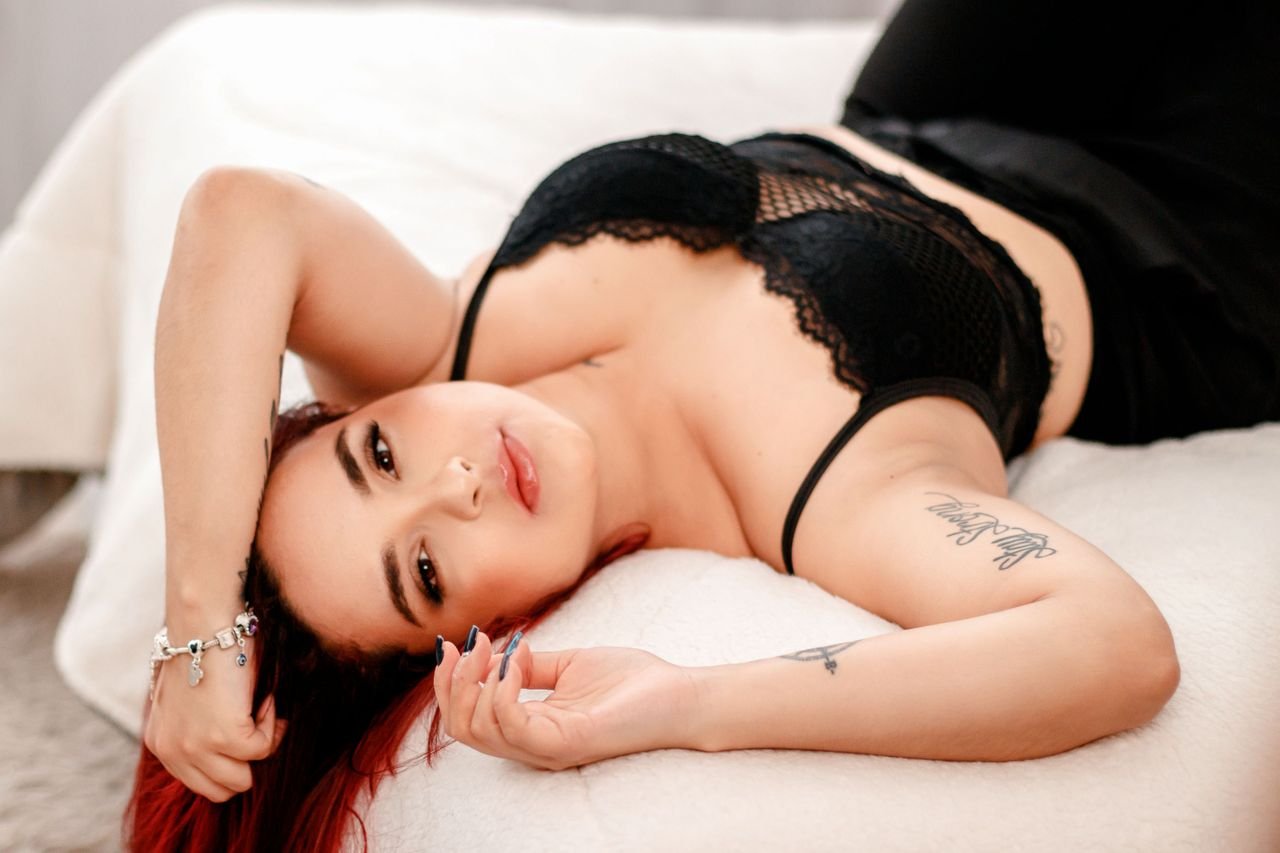
Boudoir photography is a portrait genre built around intimacy, confidence, and personal celebration — typically shot in a private setting with an emphasis on flattering, tasteful imagery rather than explicit content. It has grown into one of the more commercially resilient portrait niches, driven by demand from clients marking milestones, building self-confidence, or creating a personal gift.
This guide covers what a professional boudoir session involves, the technical and interpersonal skills the genre demands, client consultation and consent practices, and how to build a boudoir photography business responsibly.
What Is Boudoir Photography?
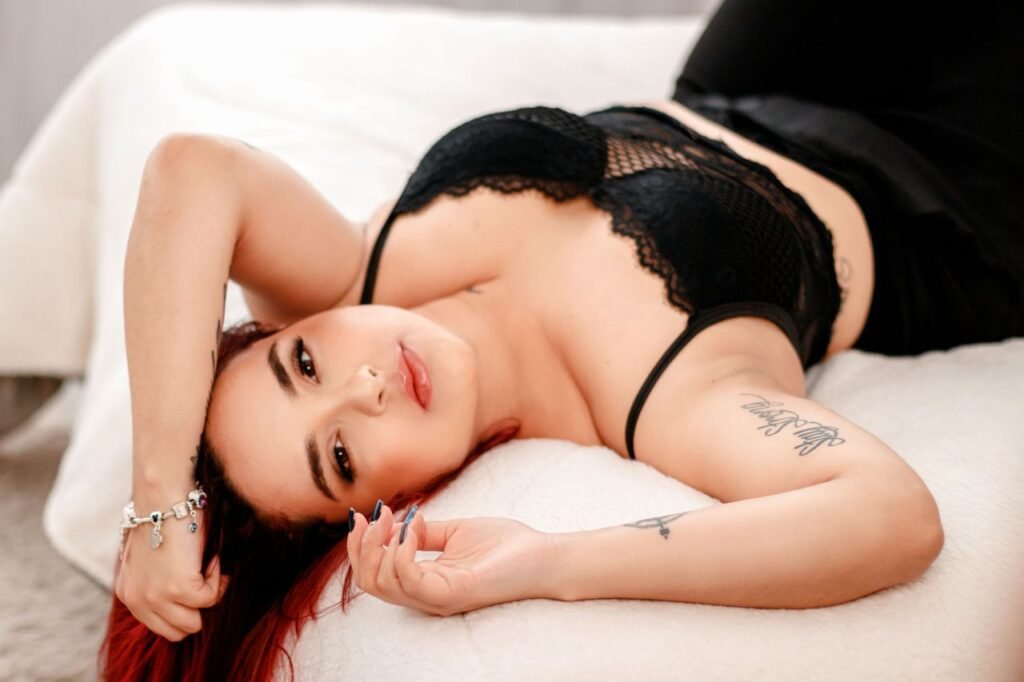
Boudoir photography is an intimate portrait genre, typically shot in a bedroom, hotel room, or studio set designed to evoke a private space. The style emphasises flattering light, confident posing, and a suggestive rather than explicit aesthetic — the artistry lies in what is implied and composed rather than shown directly.
Sessions are collaborative: the photographer works closely with the client to understand their comfort level, their vision for the images, and any specific concerns before a single frame is shot. A professional boudoir photographer treats client comfort and consent as the foundation of the entire session, not an afterthought to the creative work.
Why Clients Book Boudoir Sessions
Motivations are personal and varied: marking a milestone (birthday, weight loss, recovery from illness), building body confidence and self-acceptance, creating a gift for a partner, or simply wanting a professional portrait experience that feels different from a standard photoshoot. Reputable boudoir photographers consistently emphasise that the client’s own experience and comfort — not the resulting images alone — is the primary value of the session.
Is Boudoir Photography Legal and Legitimate?
Boudoir photography is a legal, established commercial photography genre practised by professional studios worldwide, in the same regulatory category as other portrait photography. As with any professional photography service, working only with consenting adults, using clear written contracts, and maintaining professional conduct throughout are the standards that separate legitimate studios from disreputable operators.
When researching a photographer, look for a clear consultation process, a written contract covering image usage and privacy, client testimonials or a portfolio of real client work, and a studio or shooting environment that prioritises comfort and privacy.
Client Consultation and Consent
The consultation that precedes a session is the single most important part of professional boudoir practice.
Before the session: Discuss the client’s comfort level, any specific poses or styles they want to avoid, wardrobe options, and how the final images will be used and stored. A written model release specifying exactly how images may be used — for the client’s personal use only, for portfolio inclusion, for marketing — protects both parties and should be agreed before the shoot.
During the session: Check in continuously. A professional photographer explains each pose before positioning the client, respects any request to skip or adjust a pose, and maintains a calm, encouraging, non-pressuring tone throughout. Many studios offer a female assistant or stylist present during sessions, both for practical support (wardrobe changes, hair and makeup touch-ups) and for client comfort.
After the session: Clients should have clarity on how long images are retained, who has access to them, and their rights to request deletion of any image they’re uncomfortable with.
Technical Approach to Boudoir Photography
Lighting
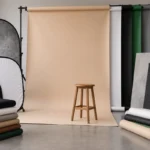
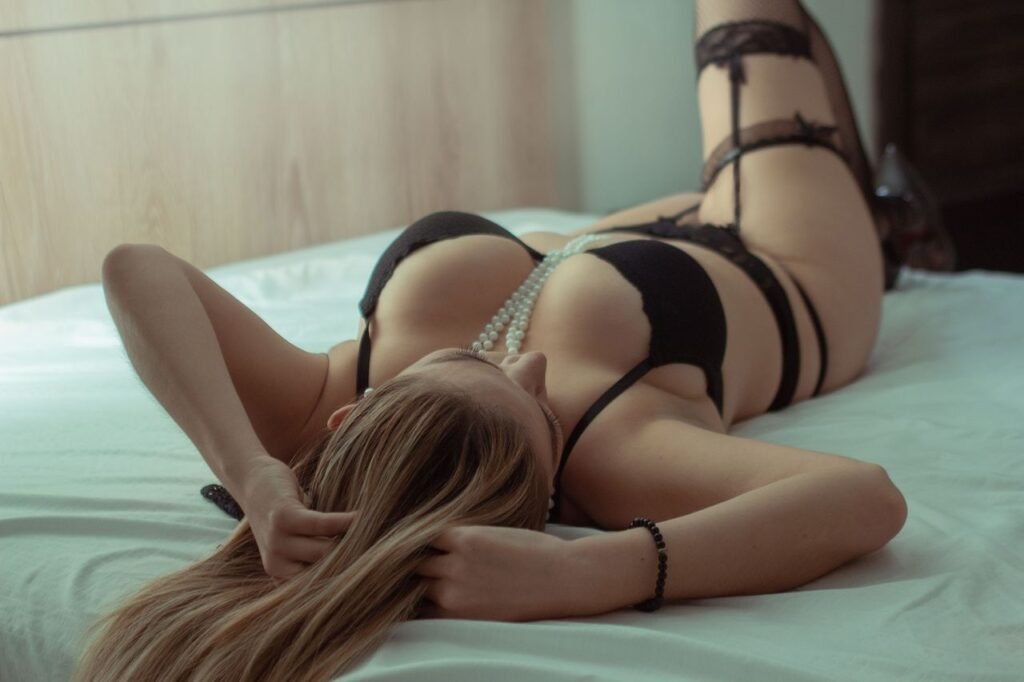
Soft, flattering, low-contrast light is the standard for boudoir work — it’s forgiving of skin texture and creates the gentle, intimate mood the genre relies on. Large window light is a popular and accessible primary source; where supplemental lighting is used, a large softbox or umbrella positioned to wrap light around the subject (similar to the setups covered in our light modifiers guide) produces the same soft, dimensional quality.
Warmer colour temperatures (slightly toward the amber end) are commonly used to create a cosy, intimate atmosphere; cooler, cleaner light suits a more editorial, high-fashion boudoir style.
Lenses and Camera Settings
A 50mm or 85mm prime lens at a wide aperture (f/1.8–f/2.8) is the standard boudoir choice — the shallow depth of field is flattering and the natural-to-slightly-compressed perspective avoids distortion. Full-frame cameras are generally preferred for their superior low-light performance and shallow depth of field control, consistent with the equipment covered in our camera buying guide.
Posing
Posing direction in boudoir work follows the same core principles as general portrait posing — covered in depth in our portrait photography guide — with particular attention to elongating lines, creating gentle curves through posture, and directing weight distribution to produce a relaxed, confident silhouette. Clear, encouraging verbal direction (demonstrating poses rather than just describing them) helps clients who have never modelled feel comfortable moving through a session.
How Much Does Boudoir Photography Cost?
Pricing varies significantly by market and photographer experience, generally ranging from a few hundred to several thousand dollars depending on session length, the number of edited images delivered, and whether prints or albums are included. Many boudoir studios use a product-based pricing model similar to portrait photography generally — a modest session fee with the primary revenue coming from an in-person reveal and ordering appointment. For the complete pricing framework that applies here as much as any portrait niche, see our photography pricing guide.
Starting a Boudoir Photography Business
Boudoir is a genuinely viable specialty within the broader portrait market, but it demands specific trust-building that general portrait marketing doesn’t. A strong portfolio built through styled shoots and collaborations (with willing, appropriately compensated or agreement-based models), clear and reassuring website copy that addresses client apprehension directly, and word-of-mouth referrals from satisfied clients are the primary growth channels — paid social advertising for this niche is often restricted or requires careful compliance with platform content policies.
For the complete business setup — naming, legal structure, contracts, and copyright — our guide to starting a photography business covers the foundational steps. For marketing strategy specific to building client trust, our marketing guide covers website, referral, and local marketing approaches that apply directly.
Further Reading
For lighting technique, our light modifiers for portraits guide covers the softbox and window-light setups used throughout boudoir work. For posing fundamentals, our portrait photography guide covers the complete craft. For pricing and business setup, our guides to photography pricing and starting a photography business cover the commercial foundation.
The Professional Photographers of America (PPA) offers business and ethics resources applicable to boudoir and other sensitive portrait specialties.
Final Thoughts
Boudoir photography succeeds commercially and creatively when client comfort and clear consent sit at the centre of every decision — from the initial consultation through to final image delivery. The technical skills (lighting, posing, camera work) are learnable and consistent with broader portrait photography principles; what distinguishes a genuinely professional boudoir practice is the care taken with communication, boundaries, and trust throughout.

Charles is a passionate photographer and visual storyteller with a keen eye for capturing authentic moments and timeless emotions. Through here, he combines creativity, technical expertise, and a love for natural storytelling to create images that preserve life’s most meaningful memories. His work focuses on genuine connections, beautiful details, and the unique stories behind every photograph.