The best camera for sports photography in 2026 is the Sony A9 III for professionals, the Canon EOS R6 Mark III or Nikon Z6 III for serious enthusiasts, and the Canon EOS R7 for anyone who wants pro-level speed on a smaller budget. If you’re just starting, the Nikon Z50II gives you modern subject-tracking autofocus for under $1,000.
Quick picks:
- Best overall (pro): Sony A9 III — 120fps global shutter, no distortion, no blackout
- Best for Canon shooters (pro): Canon EOS R1
- Best high-resolution sports camera: Nikon Z8
- Best all-rounder for enthusiasts: Canon EOS R6 Mark III
- Best value full frame: Nikon Z6 III
- Best APS-C: Canon EOS R7
- Best budget: Nikon Z50II
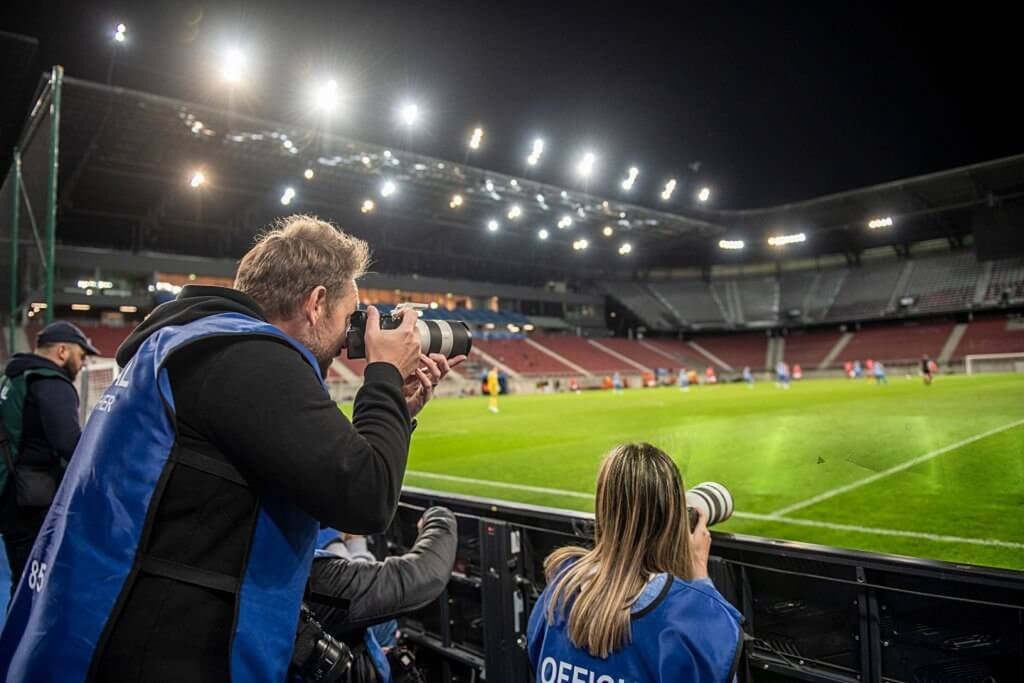
Sports photography is the most demanding test of a camera’s speed. Players change direction instantly, light in stadiums and gyms is often poor, and the decisive moment lasts a fraction of a second. The right body won’t make you a sports photographer, but the wrong one will cost you shots you can’t get back. Below, we explain which specs actually matter, compare the leading cameras, and answer the question most readers really have: is my current camera good enough?
What Makes a Camera Good for Sports Photography?
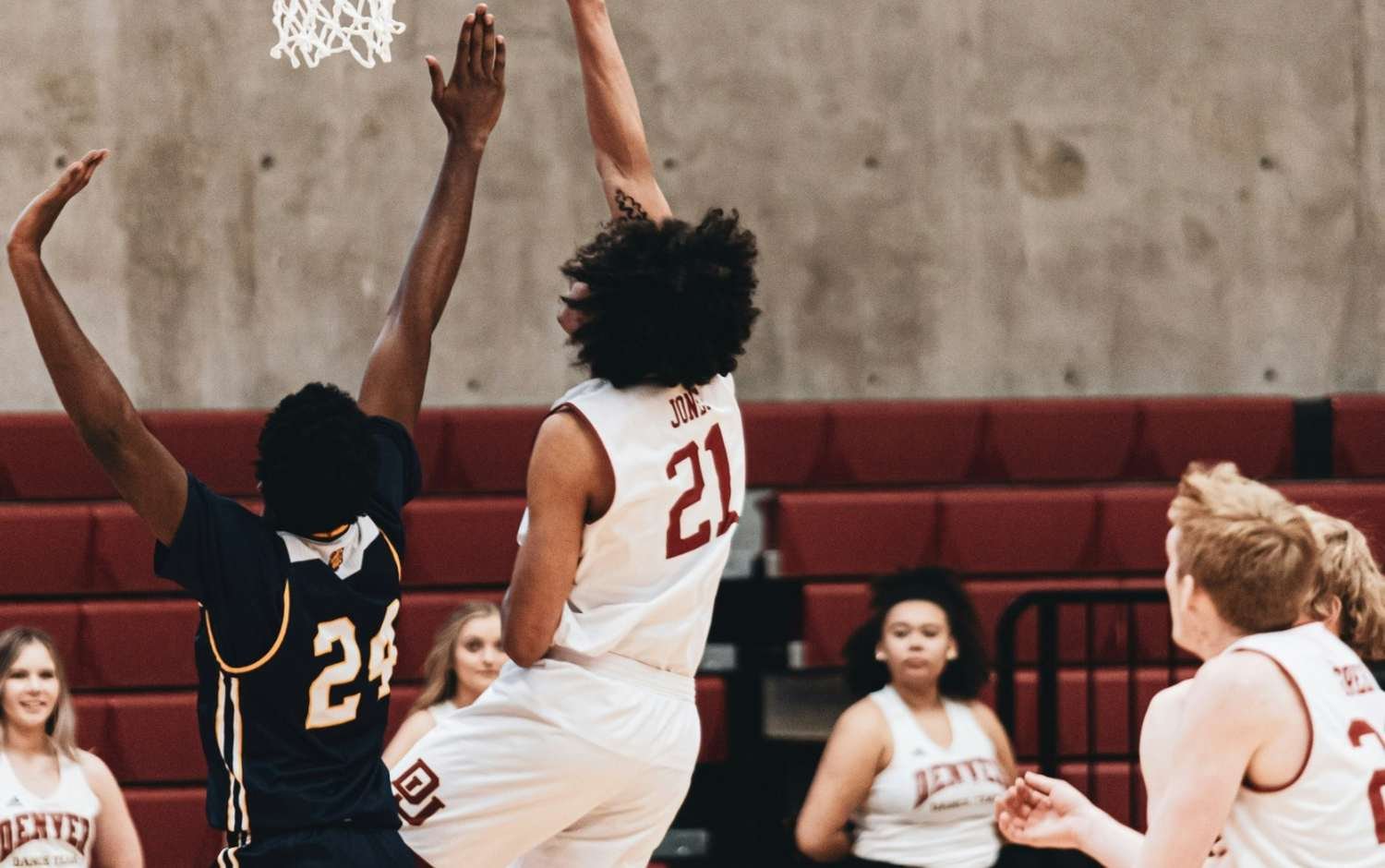
Autofocus tracking matters most, then burst speed and buffer; resolution matters least. Here’s what to look for, in order.
- Subject-tracking autofocus. Modern mirrorless cameras recognise people (and often specific sports poses), lock onto the eye, head or body, and follow the subject across the frame. This is the single biggest improvement over older DSLRs. Some bodies, like the Canon EOS R1, even recognise actions in specific sports. You’ll use continuous AF almost exclusively; see AF-S vs AF-C for why.
- Burst rate. Measured in frames per second (fps). 10fps is a workable minimum, 20fps gives you real choice at the peak of the action, and 30–120fps is professional territory. Electronic-shutter rates are usually much higher than mechanical ones.
- Buffer depth. The number of frames the camera can shoot before it slows down while writing to the card. A fast burst is useless if the buffer fills in two seconds. Cameras with CFexpress card slots clear the buffer fastest.
- Sensor readout and rolling shutter. Stacked and partially stacked sensors read out quickly, which reduces distortion of fast-moving subjects with the electronic shutter. Sony’s A9 III goes further with a global shutter, which eliminates the problem.
- High-ISO performance. Indoor gyms and night games force high ISOs. Full-frame sensors generally handle noise better; our guide to ISO and digital noise explains the trade-off.
- Viewfinder. A bright, high-refresh electronic viewfinder with minimal blackout lets you follow action smoothly.
- Lens system. Fast telephoto lenses are where most of a sports photographer’s budget goes. Pick a system with the lenses you’ll need, not just the body you like.
- Build and battery. Weather sealing for outdoor sports and a battery that lasts a full game or tournament day.
What about resolution? 20–33MP is plenty for sports. Higher resolution helps you crop, but it fills the buffer and cards faster.
Best Sports Cameras Compared
The table lists launch or current list prices for the body only; street prices change often, so check before you buy.
| Camera | Best for | Sensor | Max burst | Approx. price (body) |
|---|---|---|---|---|
| Sony A9 III | Best overall (pro) | 24.6MP full frame, global shutter | 120fps | $5,998 |
| Canon EOS R1 | Canon pros | 24MP full frame, stacked | 40fps (electronic) | $6,799 |
| Nikon Z8 | Resolution + speed | 45.7MP full frame, stacked | 20fps RAW, 30fps JPEG | $3,399 |
| Canon EOS R6 Mark III | Enthusiast all-rounder | 32.5MP full frame | 40fps (electronic) | ~$3,000 |
| Sony a7 V | Sony enthusiast all-rounder | 33MP full frame, partially stacked | 30fps (electronic) | $2,499 |
| Nikon Z6 III | Value full frame | 24.5MP full frame, partially stacked | 20fps RAW, up to 60fps JPEG | $2,499 (launch) |
| Fujifilm X-H2S | Fujifilm shooters | 26.2MP APS-C, stacked | 40fps | $2,499 |
| OM System OM-1 Mark II | Lightweight kit, long reach | 20MP Four Thirds, stacked | 50fps with C-AF | $1,900 |
| Nikon Z5 II | Budget full frame | 24.5MP full frame | 15fps RAW, 30fps JPEG | $1,696 |
| Canon EOS R7 | Best APS-C | 32.5MP APS-C | 30fps | $1,499 |
| Nikon Z50II | Best budget / beginner | 20MP APS-C | 11fps | $907 |
The Best Cameras for Sports Photography, Reviewed
Professional bodies
Sony A9 III — best overall. The world’s first full-frame global-shutter camera reads the whole sensor at once, so fast-moving balls, bats and wheels don’t distort, and there’s no banding under stadium LEDs. It shoots up to 120fps without viewfinder blackout and syncs flash at any shutter speed. The trade-offs: dynamic range and high-ISO noise trail rivals slightly, and at about $6,000 it’s a specialist’s tool. If you shoot Sony and your work is mostly fast action, nothing is quicker.
Canon EOS R1 — best for Canon pros. Canon’s flagship is built for professional sports: 40fps, a superb viewfinder, huge battery life and a rugged body. Its Action Priority AF recognises movements in football, basketball and volleyball and shifts focus to the player with the ball. It also takes EF lenses via adapter, which matters if you own big Canon telephotos. Downsides: it’s large, heavy and costs about $6,800.
Nikon Z8 — best high-resolution sports camera. The Z8 packs the flagship Z9’s stacked 45.7MP sensor and autofocus into a smaller body, shooting 20fps in full-resolution RAW. The high resolution gives room to crop, which helps when you can’t get close to the action. You trade a smaller battery and one CFexpress plus one SD slot instead of the Z9’s dual CFexpress.
Enthusiast full frame
Canon EOS R6 Mark III — best all-rounder. A 32.5MP full-frame sensor, 40fps with the electronic shutter and in-body stabilisation rated up to 8.5 stops make it a strong choice for anyone shooting sports alongside portraits, events and video. Dual card slots (CFexpress Type B and SD) suit paid work.
Sony a7 V — best Sony enthusiast option. Sony’s new partially stacked 33MP sensor brings faster readout and AI subject recognition (humans, animals, birds, vehicles and more) to its mainstream full-frame line. It’s an ideal step up for Sony APS-C users.
Nikon Z6 III — best value full frame. A partially stacked 24.5MP sensor gives fast readout, 20fps RAW and up to 60fps JPEG. Low-light performance is excellent for night games and indoor courts, and it now sells well below its $2,499 launch price.
APS-C and smaller sensors
Canon EOS R7 — best APS-C. 30fps, a 32.5MP sensor, in-body stabilisation and a weather-sealed body for around $1,500. The 1.6x crop factor makes telephoto lenses act longer, a bonus from the sidelines. The limitation is a thin range of dedicated RF-S lenses, though full-frame RF lenses work perfectly.
Fujifilm X-H2S — best for Fujifilm users. A stacked 26.2MP sensor shoots 40fps with subject detection for animals, birds and vehicles. It’s fast and weather sealed, but pricey for APS-C.
OM System OM-1 Mark II — best for long reach in a small kit. The Micro Four Thirds 2x crop gives huge reach with compact lenses, and Pro Capture records frames from before you fully press the shutter. The 20MP sensor is the compromise.
Budget
Nikon Z50II — best for beginners. A 20MP APS-C sensor, 11fps and subject-detecting 3D tracking for about $900. There’s no in-body stabilisation, but for youth sports and local games it’s a huge leap over an older entry-level DSLR.
Nikon Z5 II — best budget full frame. At about $1,700 you get a full-frame sensor, 15fps RAW and reliable subject detection; a smart choice for indoor sports where light is poor.
Is My Camera Good for Sports Photography?
Almost any interchangeable-lens camera can capture sports; the question is how many keepers you’ll get. Use this as a rough guide to popular models people ask about. Burst rates are the commonly published maximums and assume continuous AF.
| Camera | Verdict for sports | Why |
|---|---|---|
| Canon Rebel T7 / T6 / T5i | Workable for daylight youth sports | About 3–5fps and basic AF tracking; good light and a fast lens help most |
| Canon EOS M50 | Limited | Slower burst with continuous AF and a small buffer; line discontinued |
| Canon EOS R50 | Good starter | Modern subject detection; small buffer limits long bursts |
| Canon EOS R10 | Very good for the price | Fast burst and Canon's subject tracking in a light body |
| Canon 90D | Good | Fast for a DSLR with a large APS-C sensor; tracking trails mirrorless |
| Canon 6D Mark II | Fair | Full-frame low light is good; AF coverage and burst are dated |
| Canon EOS R6 / R6 Mark II | Excellent | Fast, accurate tracking and strong low-light performance |
| Canon EOS R5 | Excellent | High resolution plus pro-level AF |
| Canon EOS R8 | Good | R6 II-class AF in a cheaper body; single card slot, smaller battery |
| Sony a6000 | Workable | Fast burst for its age, but older AF and small buffer |
| Sony a6400 | Good | Real-time tracking was a big step; no stabilisation |
| Sony a6700 | Very good | Modern AI subject recognition in an APS-C body |
| Sony a7 III / a7 II | Good / fair | a7 III is a capable all-rounder; a7 II is slow for action |
| Sony a7 IV | Very good | Reliable tracking; buffer limits on long bursts |
| Nikon Z50 | Good starter | Older but capable; the Z50II improves AF noticeably |
If your camera sits in the “workable” or “fair” rows, upgrading the lens (a faster aperture or longer reach) often improves results more than a new body. When you are ready to upgrade, our guide to choosing a camera walks through the decision, and Sony users can compare bodies in our best Sony camera guide.
Editor note: verdicts are general assessments based on published specs; confirm each model’s burst and buffer figures against manufacturer spec sheets before publishing.
Lenses Matter as Much as the Body
A mid-range body with a fast telephoto lens will out-shoot a flagship body with a slow kit zoom, especially indoors. Plan your lens budget first.
| Lens type | Typical use | Why it works |
|---|---|---|
| 70–200mm f/2.8 | Indoor courts, sideline football, most field sports | The workhorse: fast aperture for gyms, flexible zoom |
| 100–400mm or 100–500mm | Outdoor field sports, motorsport, surfing from shore | Long reach on a budget; slower apertures need good light |
| 300mm / 400mm f/2.8 primes | Professional stadium coverage | Maximum reach and light; very expensive and heavy |
| 24–70mm f/2.8 | Close action, celebrations, team photos | Second body, near the action |
| 85mm f/1.8 / 135mm f/1.8 | Indoor sports on a budget | Fast and affordable; fixed focal length |
On APS-C bodies, a 70–200mm frames like roughly 105–300mm (Nikon/Sony/Fujifilm) or 112–320mm (Canon), which is excellent for sideline work. Our photography lenses guide explains focal length and aperture in more depth.
Best Camera Settings for Sports Photography
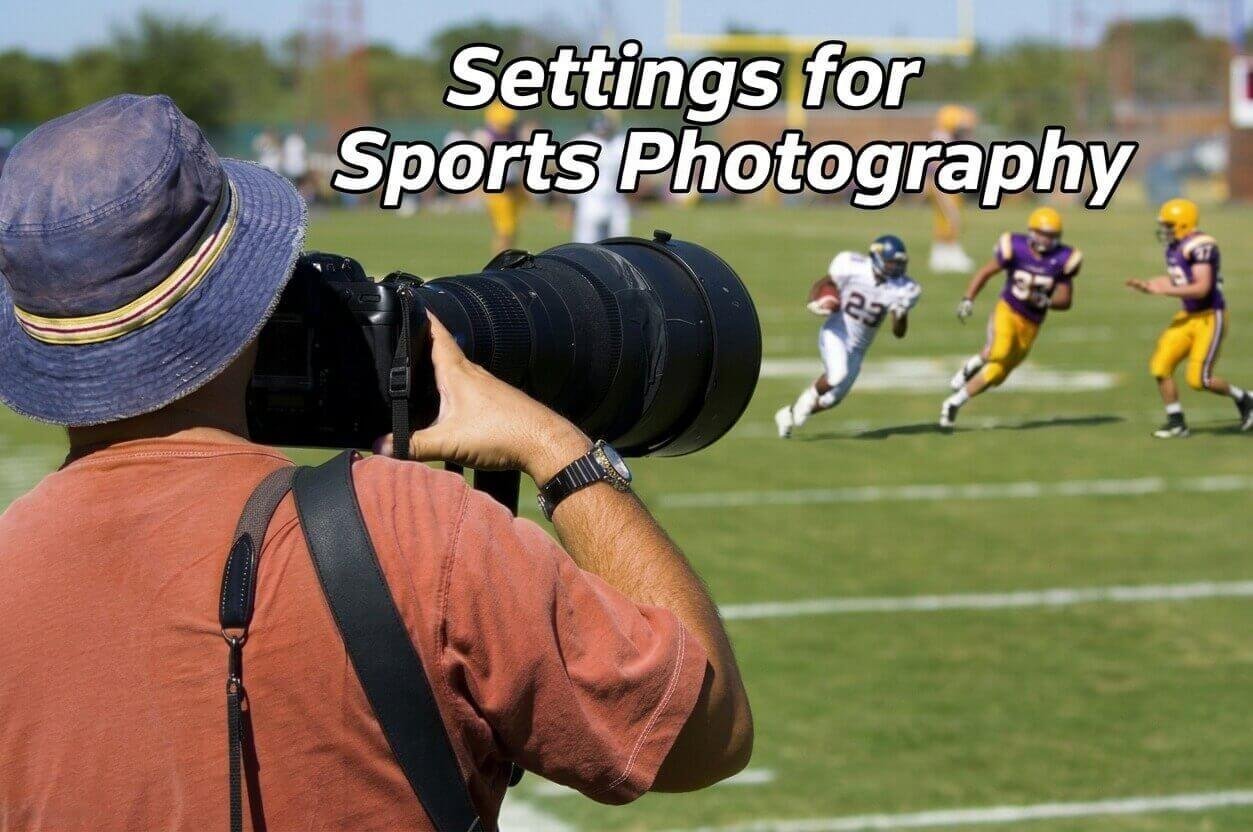
Start with a fast shutter speed, continuous autofocus and a high burst rate, then let auto ISO handle the light.
| Setting | Starting point |
|---|---|
| Mode | Manual with auto ISO, or shutter priority |
| Shutter speed | 1/1000s for most field sports; 1/500s minimum for indoor team sports; 1/2000s+ for motorsport, baseball swings, tennis |
| Aperture | Wide open (f/2.8–f/4) to let in light and blur busy backgrounds |
| ISO | Auto ISO with a maximum you're comfortable with (often 6400–12800 indoors on full frame) |
| Focus mode | Continuous AF (AF-C / AI Servo) with subject detection on |
| AF area | Tracking or a zone/expanded area around your subject |
| Drive | High-speed continuous |
| Shutter type | Electronic for maximum fps; mechanical under flickering lights if banding appears (unless your camera has an anti-flicker mode) |
| File format | RAW, or RAW + JPEG if you need fast delivery |
Practice anticipating play: pre-focus where the action will happen, keep both eyes open if you can, and shoot short bursts at the peak rather than holding the button down. For more technique, read our full sports photography guide and our explanation of exposure.
Frequently Asked Questions
What is the best camera for sports photography?
For professionals, the Sony A9 III, Canon EOS R1 or Nikon Z8. For enthusiasts, the Canon EOS R6 Mark III, Sony a7 V or Nikon Z6 III. On a budget, the Canon EOS R7 or Nikon Z50II.
For most people today, yes. Mirrorless cameras have subject-recognition autofocus that tracks players across the whole frame, faster electronic-shutter bursts and viewfinders that show the final exposure.
What camera should I buy for sports photography as a beginner?
An APS-C mirrorless camera with subject-tracking autofocus, such as the Nikon Z50II, Canon EOS R10 or Sony a6700, paired with a 70–300mm or 70–200mm lens.
Is mirrorless better than DSLR for sports?
For most people today, yes. Mirrorless cameras have subject-recognition autofocus that tracks players across the whole frame, faster electronic-shutter bursts and viewfinders that show the final exposure.
Is full frame necessary for sports photography?
No. APS-C gives extra reach from the sidelines and costs less. Full frame helps most indoors and at night, where its high-ISO performance shows.
How many frames per second do I need for sports?
Around 10fps is a workable minimum; 20fps or more gives a real choice of the peak moment.
Which Canon camera is best for sports photography?
The EOS R1 for professionals, the R6 Mark III for enthusiasts and the R7 for an APS-C budget option.
Which Sony camera is best for sports photography?
The A9 III for professionals, the a7 V for enthusiasts and the a6700 for APS-C shooters.
Which Nikon camera is best for sports photography?
The Z8 (or Z9) for professionals, the Z6 III for enthusiasts and the Z50II for beginners.
Is the Canon R7 good for sports photography?
Yes. 30fps, subject tracking and the 1.6x crop factor make it one of the best-value sports cameras available.
Final Thoughts
Buy for autofocus and speed first, then put real money into a fast telephoto lens. A pro who shoots weekly should look at the Sony A9 III, Canon EOS R1 or Nikon Z8. Most parents, students and club photographers will be thrilled with a Canon EOS R7, Nikon Z6 III or Canon EOS R6 Mark III. And if your current camera is an older entry-level model, a better lens and good technique will close much of the gap before you upgrade.

Charles is a passionate photographer and visual storyteller with a keen eye for capturing authentic moments and timeless emotions. Through here, he combines creativity, technical expertise, and a love for natural storytelling to create images that preserve life’s most meaningful memories. His work focuses on genuine connections, beautiful details, and the unique stories behind every photograph.