For decades, the question of whether photography qualifies as art was genuinely contested — not a settled matter, but an active debate in the art world. That debate has largely resolved in photography’s favour, but understanding how it got there, and what actually distinguishes art photography from a technically competent snapshot, remains useful for any photographer trying to move their own work in that direction.
This guide covers the historical context, what defines art photography specifically, the genres it spans, and practical steps toward developing a fine art photography practice of your own.
The Historical Context: When Photography Wasn't Art
Photography’s acceptance as art didn’t happen overnight. In its earliest decades, it was often viewed as a purely mechanical process — a technical means of reproducing reality rather than an act of creative interpretation, lacking the intentionality traditionally associated with painting and sculpture. Early critics genuinely questioned whether photography could be art at all, given that it simply captured what already existed rather than constructing something from nothing.
The invention of photography did have a profound effect on the art world regardless of that debate — painters had to respond to this new medium’s ability to render reality with a precision no brush could match, which pushed painting itself toward impressionism and abstraction. Over time, as photographers began deliberately experimenting with composition, lighting, and darkroom techniques rather than simply documenting, the art world gradually recognised photography’s own artistic merit on its own terms.
What Defines Art Photography?
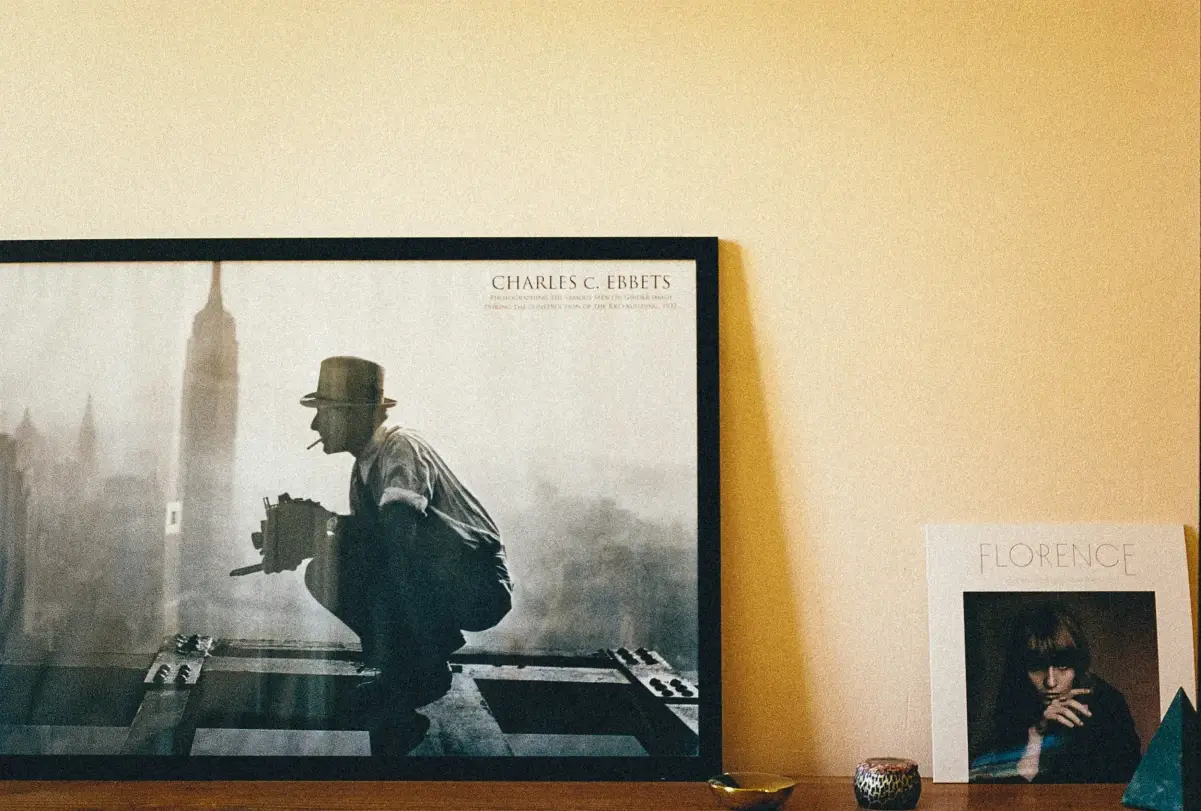
Art photography is more than technically flawless image-making. It involves conscious artistic intention — a deliberate desire to convey a specific message, emotion, or idea — and requires the photographer to make deliberate choices about composition, light, subject matter, and presentation that evoke a response in the viewer, rather than simply recording a scene competently
Key Elements of Art in Photography
Concept and intention: Every art photograph starts with an idea. The photographer needs a clear sense of what they want to communicate before the technical execution begins.
Composition: The deliberate arrangement of elements within the frame — using compositional principles like the rule of thirds, leading lines, and symmetry — to create a visually and conceptually coherent image.
Light: Light is the raw material of photography, and understanding how to use both natural and artificial light to create mood and drama is essential to art photography specifically, not just technical competence.
Subject matter: What a photograph is of, and what that subject represents in relation to the overall concept, significantly shapes the message the work conveys.
Post-processing: Digital editing tools can enhance and refine artistic vision — but should be used judiciously. Over-processing can undermine rather than strengthen an image’s artistic intent.
Is Photography an Art or a Science?
This is a genuinely common and reasonable question. Photography does rely on technical principles — optics, and now digital sensor technology, that function according to physical laws. But it’s the artistic vision and creative choices a photographer makes within those technical constraints that transform a mere record into a work of art. The honest answer is that photography requires both technical skill and artistic vision simultaneously — neither alone is sufficient.
The Genres of Art Photography
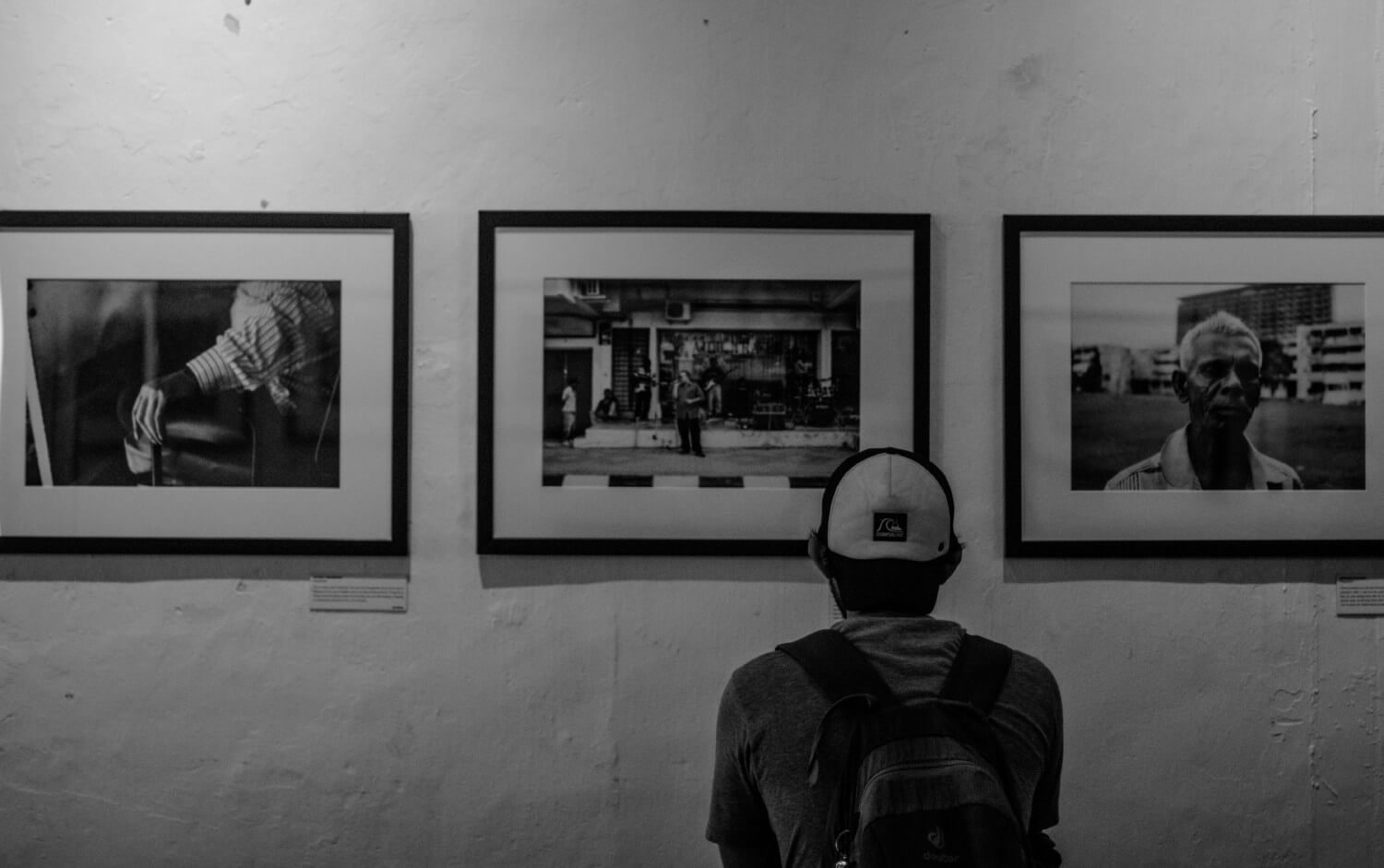
Art photography isn’t a single genre but a lens that can be applied across many:
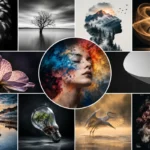
Fine art photography focuses on creating images for aesthetic purposes, often intended for gallery or museum display — requiring genuine understanding of art history and contemporary artistic trends, not just technical skill.
Fine art portrait photography goes beyond capturing a likeness — the goal is revealing a subject’s personality, emotion, and inner world through deliberate posing, lighting, and composition. Our portrait photography guide covers the technical craft that underpins this artistic goal.
Landscape photography as art moves beyond documentation to capture the emotional essence of a place — see our landscape photography guide for the complete technical approach.
Street photography, approached with an artistic eye, captures candid moments and social commentary that can absolutely be considered art — our street photography guide covers the technique and ethics in full.
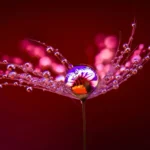
Abstract photography focuses on form, colour, and texture — often removing the subject from its original context entirely, relying on the photographer’s ability to see and capture beauty in the seemingly mundane.
Contemporary Photography: Pushing the Boundaries
Modern photographers continue experimenting with new techniques, technologies, and concepts, pushing the boundaries of what’s considered art photography — an ongoing evolution that shows no sign of settling into a fixed definition.
How to Create Art Photography
Develop your vision. What stories do you want to tell? What emotions do you want to evoke? Start by exploring your genuine interests and identifying themes that resonate with you specifically, rather than imitating what you’ve seen elsewhere.
Master the technical fundamentals. A solid understanding of exposure, composition, and post-processing is essential groundwork — art photography still requires the technical craft to execute a vision, not just the vision itself.
Experiment deliberately. Try new lenses, lighting setups, and editing styles rather than settling into a single comfortable approach.
Study the masters. Learn from the work of great photographers throughout history — analyse their compositions, lighting choices, and subject matter, not just to imitate but to understand the decisions behind the work.
Seek genuine feedback. Share your work and solicit constructive criticism rather than only positive reinforcement — the photographers who develop fastest are the ones willing to hear what isn’t working.
Print your work. Seeing images printed is a genuinely different, often more revealing experience than viewing on a screen — it lets you appreciate detail and nuance in a new way and is a skill worth learning for anyone serious about fine art photography.
How to Create Art Photography
For the technical foundation that underpins any artistic photography practice, our photography for beginners guide covers exposure, composition, and light. For developing a consistent, recognisable creative voice — the core skill behind art photography specifically — our guide to developing your photography style covers the process in complete depth. For the full landscape of genres art photography can span, our types of photography guide covers the complete map.
Final Thoughts
Photography is considered art by understanding its historical context, embracing genuine artistic intention, and mastering the technical aspects that let you execute that intention — together these let you create photographs that transcend mere representation and become works of art in their own right. The debate over whether photography qualifies as art has largely settled; what remains genuinely open is how far any individual photographer chooses to push their own work toward that standard.

Charles is a passionate photographer and visual storyteller with a keen eye for capturing authentic moments and timeless emotions. Through here, he combines creativity, technical expertise, and a love for natural storytelling to create images that preserve life’s most meaningful memories. His work focuses on genuine connections, beautiful details, and the unique stories behind every photograph.