Once you’ve built a body of work worth selling, the practical question becomes where. This guide covers the full range of selling channels available to photographers — print-on-demand platforms, online marketplaces, direct sales, and offline channels like art fairs and business partnerships — and how to choose between them.
For pricing your work correctly once you’ve chosen a channel, see our photography pricing guide. For copyright, licensing, and the legal foundation of selling your work, see our guide to starting a photography business. For stock photography and the broader landscape of print sales specifically, our stock photography guide covers that territory in complete depth.
Understanding Your Market Before You Sell
Before choosing a platform, get clear on your niche and style — what genre you shoot, who buys it, and what makes your work distinct from other photographers selling similar subjects. Research your competition directly: look at what similar photographers charge, how they present their work, and where genuine gaps exist that your work could fill.
Print-on-Demand Platforms
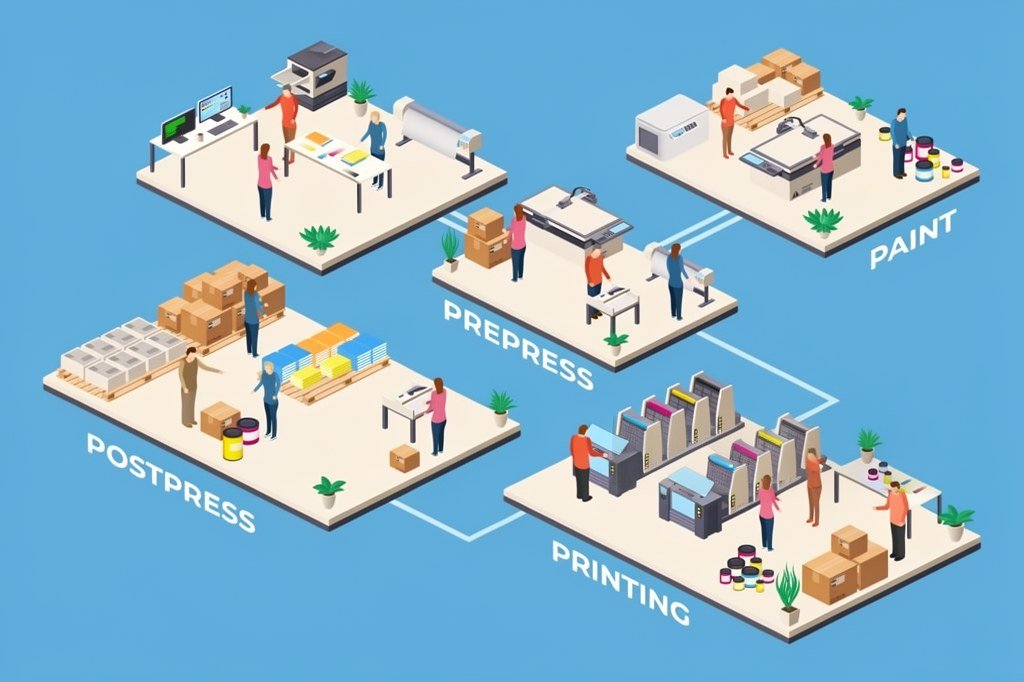
Fine Art America, Redbubble, and Society6 let you upload images once and sell them as prints, canvases, and other products without handling production, inventory, or shipping yourself. You set your markup above their base cost; they handle fulfilment. This is the lowest-effort entry point for selling prints, though margins per sale are lower than direct sales.
Online Marketplaces
Etsy is a strong option for photography prints and art, with an audience specifically primed to buy handmade and artistic goods — a natural fit for fine art and location-specific photography.
Amazon (via Merch on Demand or Amazon Handmade) offers access to an enormous customer base, though the photography category is highly competitive and platform fees are significant.
eBay can work for limited-edition prints or vintage-style photography but is a less natural fit for most contemporary fine art sales than Etsy.
Research each platform’s specific fee structure and audience fit before committing — what sells well on Etsy doesn’t necessarily sell on Amazon, and vice versa.
Direct Sales Through Your Own Website
Selling directly through your own e-commerce setup (Shopify, WooCommerce on WordPress, or Squarespace’s built-in commerce tools) gives you full control over branding, pricing, and the customer relationship, and keeps a larger share of each sale than any third-party marketplace. It requires more upfront setup and ongoing marketing effort to drive traffic, but builds a direct relationship with buyers that platform sales don’t. For the complete website build process, our guide to building a photography website covers platform selection and setup in full.
Offline and Relationship-Based Sales Channels
Art fairs and exhibitions are a genuinely underused channel — a well-presented booth with framed prints at accessible price points generates sales without requiring any online audience, and puts you directly in front of buyers who are already in a purchasing mindset.
Networking with local businesses — hotels, restaurants, interior designers, galleries — can open channels for selling or licensing work for commercial display. Reaching out directly with a portfolio tailored to the specific space (a hotel lobby, a restaurant’s dining room) is more effective than a generic pitch.
Email marketing to an existing list of past buyers and followers is one of the most effective channels for repeat sales — new work announcements, promotions, and behind-the-scenes content kept people warm between purchases.
Marketing and Promotion
However strong your work is, it won’t sell if nobody knows it exists. Building an online presence (covered in full in our marketing guide and Instagram growth guide) and optimising your website for search (covered in our website guide) both apply directly to selling photography as much as to booking client services.
Legal and Financial Foundations

Before selling commercially, understand copyright basics, registration options, and business structure — all covered in complete depth in our guide to starting a photography business, including how copyright protects your work automatically, how to register with the US Copyright Office for stronger legal standing, and the trade-offs between sole proprietorship and forming an LLC.
Further Reading
For pricing your prints and services correctly, see our photography pricing guide. For stock photography and the deepest coverage of print-selling platforms specifically, see our stock photography guide. For the complete business foundation — naming, legal structure, copyright — see our guide to starting a photography business.
Final Thoughts
There’s no single best place to sell photography — the right channel depends on your niche, your audience, and how much control versus convenience you want. Most photographers who build sustainable income combine several channels: a direct website for the best margins, a marketplace presence for discoverability, and offline relationships for the sales that never happen through a screen at all.

Charles is a passionate photographer and visual storyteller with a keen eye for capturing authentic moments and timeless emotions. Through here, he combines creativity, technical expertise, and a love for natural storytelling to create images that preserve life’s most meaningful memories. His work focuses on genuine connections, beautiful details, and the unique stories behind every photograph.