Flash photography. The very words can strike fear into the hearts of even seasoned photographers. Is it necessary? When should you use it? How do you avoid that dreaded ‘deer in headlights’ look? In my career, I’ve found that mastering flash photography is less about expensive equipment and more about understanding light itself. This guide is designed to demystify flash, whether you’re a beginner just learning what flash photography is or a seasoned pro looking to refine your technique. We’ll cover everything from the basics of how does flash photography work to advanced techniques like off-camera flash and how to expose for flash photography.
What is Flash Photography, and Why Use It?
At its core, what’s flash photography? It’s simply using an artificial light source, typically a strobe or speedlight, to illuminate your subject. This is especially important in situations where ambient light is insufficient or undesirable. There are a few reasons why use flash photography. Primarily, we need to control the lighting to achieve the desired look. Sometimes, it’s as simple as filling in shadows on a bright, sunny day (a touch of flash photography!). Other times, it’s the only way to get a usable image in near darkness. And while many modern cameras perform admirably in low light, a flash can still offer a cleaner, sharper image with less noise.
Why (and When) No Flash Photography?
Before we dive deeper, let’s acknowledge when to keep your flash off. Venues or situations often dictate whether it’s appropriate. This explains why do they say no flash photography? Sometimes flashes can be distracting, disruptive, or even damaging. For example, museums often prohibit flash photography because the intense light can degrade sensitive artifacts. Similarly, during a theatrical performance, a sudden flash can ruin the experience for everyone. What does no flash photography mean in these contexts? It’s a request (or rule) to respect the environment and avoid causing harm or disturbance.
How to Do Flash Photography: The Fundamentals
Now, let’s get practical with how to use flash photography. Whether you’re using your camera’s built-in flash or an external unit, the principles are the same.
Understanding the Components
The two most common types of flash are:
- Built-in Flash: Convenient but limited in power and control.
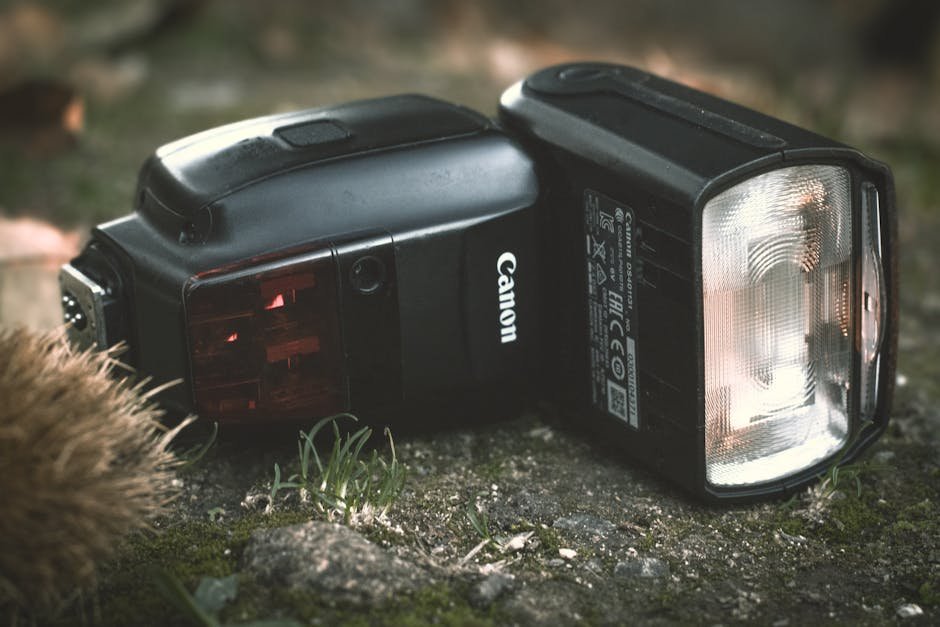
- External Flash (Speedlight/Strobe): More powerful, versatile, and allows for greater control over light direction and intensity.
Essential Settings
How to set up flash photography comes down to understanding the interplay between these settings:
- Flash Mode: TTL (Through-The-Lens) is automatic and meters the flash output for you. Manual mode gives you full control but requires more experimentation.
- Flash Compensation: Allows you to fine-tune the flash output in TTL mode. Use it to brighten or darken the flash exposure as needed.
- Shutter Speed: Controls the amount of ambient light in the image. It will also control motion blur if present.
- Aperture: Controls both the flash exposure and the depth of field.
- ISO: Affects the overall brightness of the image, including both ambient and flash light.
Important Note: Shutter speed will NOT affect the brightness of your flash! This is an important lesson to learn in mastering flash photography.
Basic Techniques
- Direct Flash: Pointing the flash directly at your subject. This can create harsh shadows and a flat look but is useful when you need maximum power and efficiency.
- Bouncing Flash: Aiming the flash at a ceiling or wall to diffuse the light and create a softer, more natural look. This is how to use flash indoor photography to your advantage.
Advanced Flash Techniques: Taking Your Skills to the Next Level
Once you’re comfortable with the basics, you can explore more advanced techniques.
Off-Camera Flash Photography
What is off-camera flash photography? It involves removing the flash from your camera’s hot shoe and triggering it remotely. This gives you much more control over the direction and quality of light, enabling you to create more dramatic and creative images. The flexibility allows you to practice a flash in time photography.
Flash Modifiers
Flash modifiers are tools that shape and control the light from your flash. Common modifiers include:
- Diffusers: Soften the light and reduce harsh shadows.
- Reflectors: Bounce light onto your subject to fill in shadows.
- Gels: Add color to the light for creative effects.
Specific Scenarios: How to Use Flash Effectively
How to Use Flash for Portrait Photography
For flattering portraits, avoid direct flash. Bouncing the flash or using a softbox or umbrella is crucial. Do i need a flash for portrait photography? Often, the answer is yes, especially indoors or in situations with harsh, uneven lighting.
How to Use Flash for Wedding Photography
Wedding photography often requires a combination of ambient and flash light. Use flash to fill in shadows during the day and to provide the primary light source during the reception. Do you need a flash for wedding photography? Absolutely, it’s essential for capturing those crucial moments in any lighting conditions.
How to Use Flash Outdoor Photography
When to use flash in outdoor photography? Surprisingly, flash is incredibly useful outdoors. Use it to fill in shadows on sunny days or to add a pop of light to your subject against a backlit background. Should i use flash for night photography? If you’re photographing people or objects, then yes. It’s a must.
The Technical Side of Flash Photography
Let’s talk about the underlying components of flash photography to help you take better photos.
Who Invented Flash Photography, and When Did it Begin?
The history of flash photography is long and convoluted. Primitive flash photography began with the invention of flash powder around 1887 by Adolf Miethe and Johannes Gaedicke, which was dangerous and inconsistent. Electronic flash units didn’t become widely available until the mid-20th century.
What is Used in Flash Photography?
Besides the flash unit itself, other essential components include batteries, triggers (for off-camera flash), and various modifiers (softboxes, umbrellas, etc.). What is external flash in photography? Often more powerful than built-in flashes, they have more control over manual settings, and usually have faster recycle times.
Final Thoughts: Mastering Flash Photography
Mastering flash photography takes time and practice, but the rewards are well worth the effort. Understanding the principles of light, experimenting with different techniques, and learning from your mistakes is key. With patience and persistence, you can unlock the full potential of your camera and create stunning images in any lighting situation. How can a photographer use a flash unit in photography? By understanding all these elements, and putting them to work through experimentation and practice. Get out there and start experimenting!