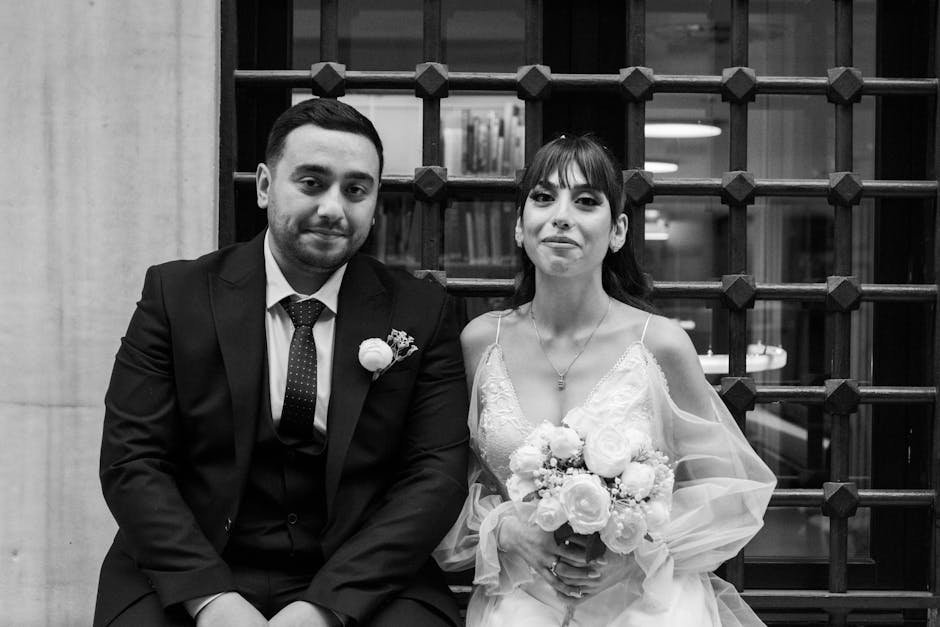
Wedding photography isn’t just about taking pictures; it’s about capturing the essence of a couple’s most important day, preserving memories that will last a lifetime. In my career as a wedding photographer, I’ve learned that success goes beyond technical skill – it requires artistry, business acumen, and a genuine passion for storytelling. Whether you’re just starting out, looking to refine your skills, or aiming to build a thriving wedding photography business, this guide provides a comprehensive roadmap to help you excel.
Understanding the Foundations: Why Wedding Photography Matters
Before diving into the ‘how,’ let’s explore the ‘why.’ Why is wedding photography so important? It’s more than just documentation; it’s about crafting visual narratives that evoke emotions and transport couples back to the joy, tears, and excitement of their wedding day. As a wedding photographer, you’re not just selling photos; you’re selling memories, heirlooms, and a tangible piece of history. Understanding this fundamental truth will shape your approach and elevate your work.
Defining Your Style: What is Your Wedding Photography Aesthetic?
In a saturated market, defining your unique style is crucial. Are you drawn to classic, traditional wedding photography, capturing posed portraits and formal moments? Or do you prefer a documentary wedding photography approach, focusing on candid, unscripted moments as they unfold? Perhaps editorial wedding photography, with its emphasis on fashion-forward posing and dramatic lighting, speaks to you? Maybe a blend of styles is your forte. There are many types of wedding photography to choose from.
Understanding your style is not just about aesthetics; it also helps you attract the right clients, those who resonate with your artistic vision. I always recommend taking time to experiment and discover what truly excites you. What is *your* wedding photography style?
Essential Gear: Must-Have Equipment for Wedding Photography
While talent and artistry are paramount, the right gear is essential for capturing high-quality images. Here’s a breakdown of the must have wedding photography gear:
Camera Bodies
Invest in at least two professional-grade DSLR or mirrorless camera bodies. Having a backup ensures you’re prepared for any equipment malfunction. Consider models with excellent low-light performance and fast autofocus. Technical terms you should be familiar with include sensor size, megapixels (MP), ISO Sensitivity and Shutter Speed. For example, a full-frame sensor is ideal for wedding photography due to its superior image quality and dynamic range.
Lenses
A versatile lens kit is crucial. A 24-70mm f/2.8 lens is a workhorse for capturing a wide range of shots, from portraits to group photos. A 70-200mm f/2.8 lens is ideal for candid moments and capturing details from a distance. A 35mm or 50mm f/1.4 lens is perfect for creative portraits and low-light situations. Don’t forget a macro lens for capturing details like rings and floral arrangements.
Lighting
Mastering lighting is key. Invest in speedlights or strobes for on-camera and off-camera flash photography. Softboxes and umbrellas can help diffuse light and create flattering portraits. Reflectors are essential for bouncing light and filling in shadows.
Accessories
Don’t overlook essential accessories like extra batteries, memory cards (high-speed and high-capacity), a sturdy tripod, and a comfortable camera bag. Having these must haves for wedding photography will make your job easier.
Pricing Your Services: How Much is Wedding Photography?
One of the biggest challenges for wedding photographers is pricing their services. There’s no one-size-fits-all answer, as pricing depends on factors such as experience, location, demand, and the scope of services offered. How much is wedding photography? Here’s a breakdown to consider when you price your wedding photography.
Factors Influencing Pricing
- Experience and Skill: More experienced photographers can command higher rates.
- Location: Prices vary significantly depending on your geographic area. How much is wedding photography UK versus a small town in Iowa?
- Packages: Offer a range of packages to cater to different budgets and needs.
- Coverage Hours: Longer coverage typically means higher prices. How many hours for wedding photography is needed?
- Products: Albums, prints, and canvases can add value and increase revenue.
Creating Packages
Develop tiered packages that offer varying levels of coverage, deliverables, and add-ons. A basic package might include a certain number of hours of coverage and digital images, while a premium package could include albums, prints, engagement sessions, and more. Here’s how to structure wedding photography packages:
- Bronze Package: Basic coverage, digital images.
- Silver Package: More coverage, prints, and a small album.
- Gold Package: Full-day coverage, premium album, engagement session, and more.
Researching Market Rates
Research what other wedding photographers in your area are charging. WeddingWire and other wedding vendor directories can provide valuable insights. What is the average cost of wedding photography in your region? What is a good price for wedding photography?
Pricing for Elopements and Intimate Weddings
Elopement photography and intimate weddings often require different pricing strategies. These events typically involve fewer guests and shorter coverage hours. Research how much is elopement photography in your area. Why intimate weddings deserve a different kind of photography and pricing structure needs to be considered.
Building Your Brand: How to Market Your Wedding Photography Business
Attracting clients is essential for a successful wedding photography business. Effective marketing strategies are key to building brand awareness and generating leads. How to market wedding photography? Consider these methods:
Website and Portfolio
Your website is your online storefront. Showcase your best work, highlight your style, and make it easy for potential clients to contact you. Your website should be professional, user-friendly, and mobile-responsive.
Social Media
Utilize platforms like Instagram, Facebook, and Pinterest to share your photos, engage with your audience, and build your brand. Use relevant hashtags and run targeted ads to reach potential clients. How to promote wedding photography business effectively? Regularly post engaging content.
Networking
Build relationships with other wedding vendors, such as planners, florists, and venues. Referrals are a powerful source of leads. Attend industry events and workshops to network with peers and potential partners.
Advertising
Consider advertising on wedding websites, magazines, and local publications. Targeted advertising can help you reach your ideal clients. Where to advertise for wedding photography effectively?
Search Engine Optimization (SEO)
Optimize your website and online profiles for relevant keywords to improve your search engine rankings. Use location-based keywords to attract local clients. How to advertise wedding photography business so clients can find you easily?
Mastering the Shoot: How to Shoot Wedding Photography
Shooting a wedding requires a combination of technical skill, creativity, and adaptability. Here are some tips to help you excel:
Planning and Preparation
Meet with the couple before the wedding to discuss their vision, preferences, and must-have shots. Create a detailed timeline and shot list. Visit the venue beforehand to scout locations and plan your lighting strategy. How to prepare for wedding photography properly? Communication and planning are key.
Capturing Key Moments
Focus on capturing the key moments of the day, such as the ceremony, first dance, speeches, and cake cutting. Be ready to capture candid moments and emotional interactions between the couple and their guests. How to take good wedding photography depends on anticipating and capturing these moments.
Posing and Directing
Learn how to pose couples in a natural and flattering way. Provide gentle direction and create a relaxed atmosphere. Encourage genuine interaction and emotion. How to pose for pre wedding photography sessions also needs practice.
Lighting Techniques
Master both natural and artificial lighting techniques. Use natural light whenever possible, but be prepared to use flash in low-light situations. Experiment with different lighting angles and modifiers to create dramatic and flattering effects.
Backup Strategies
Always have backup equipment and backup plans. Carry extra batteries, memory cards, and lenses. Have a second shooter or assistant to help you manage equipment and capture different perspectives.
Post-Processing: Elevating Your Images
Post-processing is an essential part of the wedding photography workflow. Use software like Adobe Lightroom and Photoshop to enhance your images, correct exposure and color, and create a consistent style. How to do wedding photography well includes mastering post-processing.
Continuous Learning: Staying Ahead in the Industry
Wedding photography is a constantly evolving field. Stay updated on the latest trends, techniques, and technologies. Attend workshops, conferences, and online courses to improve your skills and knowledge. The quest to learn wedding photography never stops.
I hope this guide has provided valuable insights into the world of wedding photography. Remember that success requires dedication, passion, and a commitment to continuous learning. With hard work and determination, you can build a fulfilling and rewarding career as a wedding photographer.