Night photography, to me, is more than just taking pictures when the sun goes down. It’s about unveiling a hidden world, capturing the beauty that emerges from the darkness. In my career, I’ve found it to be one of the most challenging, yet most rewarding, forms of photography. This comprehensive guide will walk you through everything you need to know to confidently explore the art of night photography, from mastering the fundamentals to capturing stunning images of the night sky. Whether you’re asking what is night photography or want to know how to take night photography, this guide is your starting point.
Understanding the Fundamentals: What is Night Photography?
At its core, night photography is simply capturing images in low-light conditions. However, it goes far beyond that. It’s about using long exposures to reveal details invisible to the naked eye, playing with artificial light sources, and harnessing the beauty of the night sky. Nightscape photography is a specific genre focusing on capturing landscapes under the night sky, often including stars, the Milky Way, or other celestial objects. Understanding these basics sets the stage for learning how to do night photography well.
Essential Gear for Nighttime Adventures
Having the right gear can make or break your night photography experience. Here’s a breakdown of what I recommend:
- Camera Body: While any camera with manual controls can be used, a DSLR or mirrorless camera with a full-frame sensor is ideal. Full-frame sensors capture more light, resulting in cleaner images with less noise. When selecting what camera is best for night photography, consider its low-light performance and ISO capabilities.
- Lenses: A fast lens (one with a wide aperture, like f/2.8 or wider) is crucial for gathering as much light as possible. For astrophotography, a wide-angle lens (14-24mm) is fantastic for capturing vast expanses of the night sky. The question of what lens for night photography is very important! Also, it’s worth researching which lens is best for night photography and what lens is best for night sky photography.
- Tripod: Absolutely essential for long exposures. A sturdy tripod will prevent camera shake and ensure sharp images.
- Remote Shutter Release: Minimizes camera shake when pressing the shutter button.
- Headlamp or Flashlight: For navigating in the dark and potentially light painting.
Mastering Camera Settings: How to Shoot Night Photography
Achieving well-exposed night photography images requires understanding and adjusting your camera settings. Here’s my process for figuring out what settings for night photography:
- Aperture: Start with the widest aperture your lens allows (e.g., f/2.8, f/1.8). This lets in the most light.
- Shutter Speed: This will vary greatly depending on the scene and available light. Start with a few seconds and adjust from there. For star trails, you might need several minutes or even hours.
- ISO: Keep the ISO as low as possible to minimize noise. Start with ISO 800 or 1600 and increase only if necessary.
- White Balance: Experiment with different white balance settings to achieve the desired color temperature. Auto white balance can work, but I often prefer using a preset like “Tungsten” or “Fluorescent” for a cooler look.
- Focus: Accurate focus is critical. I’ll cover how to focus in night photography in the next section.
Achieving Sharp Focus in the Dark: How to Focus Night Photography
How to focus at night photography is one of the biggest challenges. Autofocus often struggles in low light, so manual focus is usually necessary. Here’s how I do it:
- Live View and Zoom: Use your camera’s live view mode and zoom in on a bright star or distant light source.
- Manual Focus: Carefully adjust the focus ring until the star or light source appears as sharp as possible.
- Focus Peaking (if available): Some cameras have a focus peaking feature that highlights areas in focus, making it easier to fine-tune.
- Infinity Focus: Be cautious about relying on the infinity mark on your lens. It’s often inaccurate.
Composing Compelling Nightscapes: How to Capture Night Photography
Composition is just as important in night photography as it is in daytime photography. Consider these tips when you shoot night photography:
- Foreground Interest: Include interesting foreground elements like trees, rocks, or buildings to add depth and scale.
- Leading Lines: Use roads, rivers, or other lines to draw the viewer’s eye into the scene.
- Rule of Thirds: Position key elements along the rule of thirds grid for a balanced composition.
- Experiment: Don’t be afraid to try different angles and perspectives.
Capturing the Starry Canvas: How to Do Night Sky Photography
Night sky photography presents its own unique set of challenges and rewards. Here’s how to shoot night sky photography and capture night sky photography effectively:
- Location: Choose a location with minimal light pollution.
- Weather: Clear skies are essential.
- Moon Phase: A new moon is ideal for capturing the Milky Way.
- Star Tracker (Optional): A star tracker compensates for the Earth’s rotation, allowing for longer exposures without star trailing.
- The 500 Rule: Divide 500 by your lens’s focal length to determine the maximum shutter speed you can use before stars start to trail (e.g., 500 / 24mm = 20 seconds). Adjust your ISO and aperture accordingly to compensate.
Illuminating the Streets: How to Take Night Street Photography
Night street photography offers a different perspective on urban landscapes. Here’s how to shoot street photography at night:
- Embrace the Darkness: Use the darkness to create moody and dramatic images.
- Look for Light: Seek out interesting light sources like streetlights, neon signs, and window displays.
- Capture Movement: Use slow shutter speeds to blur moving subjects and create a sense of energy.
- Be Aware of Your Surroundings: Pay attention to your safety and be respectful of the people you’re photographing.
Polishing Your Images: How to Edit Night Photography
Post-processing is an essential part of night photography. Here’s what I do when I how to edit night photography:
- RAW Format: Shoot in RAW format to capture the maximum amount of data.
- Noise Reduction: Use noise reduction software (like Adobe Lightroom or Capture One) to minimize noise.
- White Balance Adjustment: Fine-tune the white balance to achieve the desired color temperature.
- Exposure and Contrast: Adjust the exposure and contrast to bring out details and create a balanced image.
- Sharpening: Sharpen the image to enhance details, but be careful not to over-sharpen.
- Color Correction: Adjust the colors to create a visually appealing image.
Film Photography at Night: A Nostalgic Approach
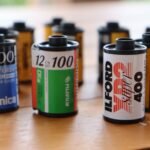
For those interested in a more traditional approach, how to shoot night photography film can be very rewarding. Choose a high-speed film (ISO 400 or higher) and experiment with long exposures. Film photography offers a unique aesthetic and a hands-on experience that many photographers appreciate.
Night Photography with Your iPhone: Capturing the Night on Your Phone
Believe it or not, how to do night photography on iPhone is very doable! Modern iPhones have surprisingly capable cameras and night mode features. Use a tripod or stabilize your phone against a solid surface. Experiment with the night mode settings and explore apps that offer manual controls for longer exposures.
Final Thoughts: Embracing the Night
Night photography is a journey of exploration and discovery. It requires patience, experimentation, and a willingness to learn. Don’t be afraid to make mistakes. Every shot, whether successful or not, is a learning opportunity. So grab your gear, head out into the darkness, and start capturing the magic of the night!