Photography is one of the few creative skills with genuinely diverse monetisation paths. A painter sells paintings. A musician sells music or performances. A photographer can sell services, license images, teach, sell physical products, build digital products, consult, and more — often several of these simultaneously.
The challenge is that most “make money with photography” content online either oversimplifies (“just sell your photos on Shutterstock!”) or is vague to the point of uselessness (“build a strong brand!”). This guide is neither. It covers ten real income streams that photographers use to earn a living, what each actually requires, what it realistically pays, and what the path to profitability looks like for each.
This is a companion to our guide on marketing your photography business — which covers how to find and attract clients. This article focuses on what income streams to build in the first place.
The Two Fundamental Categories of Photography Income
Before diving into specific streams, it helps to understand the two fundamental categories all photography income falls into:
Active income requires your time and presence to earn. You shoot a wedding — you get paid. You stop shooting — you stop earning. Most photography income starts here: services, events, portraits, commercial shoots.
Passive income generates revenue without your direct time input per transaction. A stock photo you uploaded three years ago earns a licence fee tonight while you sleep. A Lightroom preset pack you built once continues selling. An online course you recorded last year is still enrolling students.
The most financially stable photography businesses combine both: active income provides reliable cash flow; passive income reduces the dependence on continuously booking new clients.
Most photographers begin entirely in active income and build passive streams over time as their audience, portfolio, and expertise grow.
1. Wedding Photography
Income potential: $2,000–$10,000+ per event
Getting started timeline: 6–18 months to build a bookable portfolio
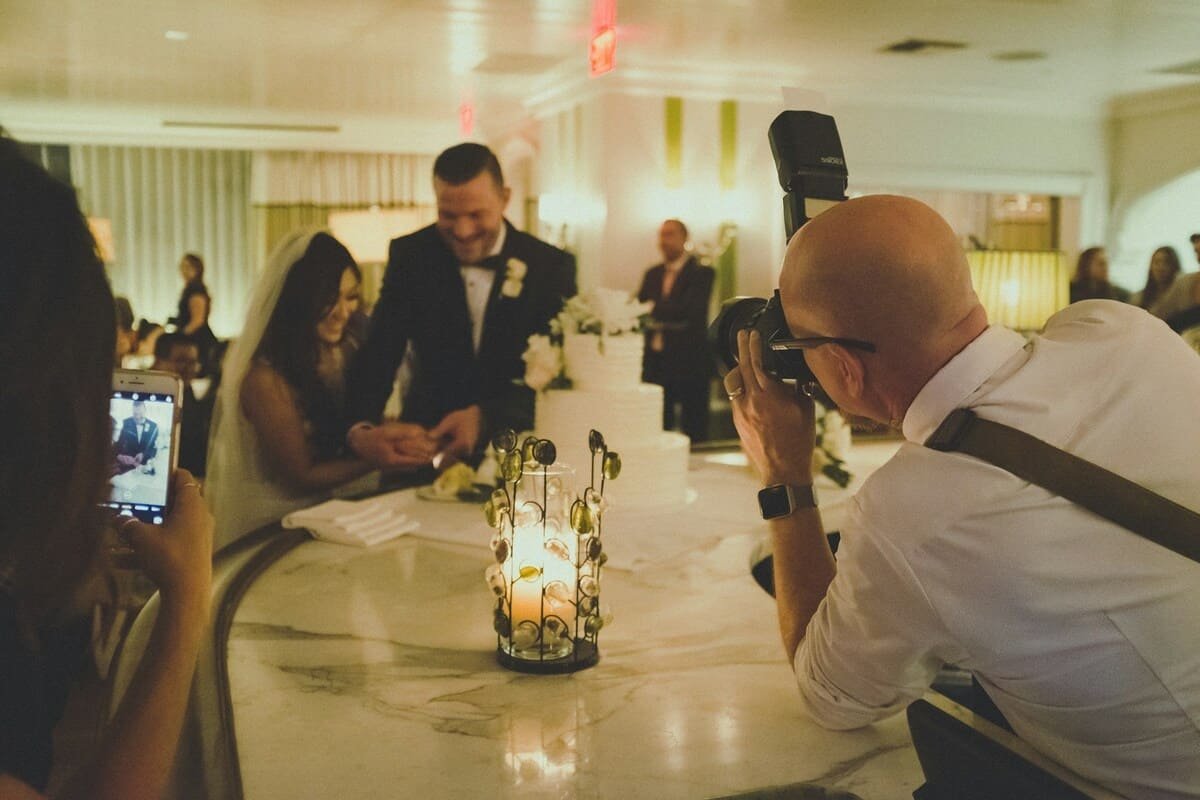
Wedding photography is the highest-paying single-day photography service for most photographers. A full-day wedding — ceremony through reception — represents one of the largest photography invoices a client will ever pay, and couples allocate a meaningful portion of their wedding budget to photography because they understand the images are the permanent record of the day.
The barriers to entry are real: you need a strong portfolio before most couples will trust you with their wedding day, which creates a chicken-and-egg problem for beginners. The standard path is to second-shoot for an established wedding photographer first — you attend the wedding as an assistant photographer, gain experience under pressure, and build portfolio images to show future clients. Most experienced wedding photographers are open to paying second shooters, or at minimum offering the experience in exchange for keeping the images.
Pricing varies enormously by market. In smaller cities or rural areas, entry-level wedding photographers charge $1,500–$2,500. In major metropolitan markets, established photographers routinely charge $5,000–$10,000 or more. Packages typically include full-day coverage, a second shooter, edited digital files, and often an album.
The hidden demands: weddings are high-pressure, non-repeatable events. Missed moments cannot be reshot. The editing time for a typical wedding (400–600 deliverable images) runs 20–40 hours. Factor both into your pricing.
2. Portrait Photography
Income potential: $200–$2,000+ per session depending on specialty and market
Getting started timeline: 3–6 months
Portrait photography is the broadest service category — encompassing family portraits, individual portraits, senior portraits, maternity sessions, newborn photography, actor headshots, corporate headshots, and personal branding photography. The diversity means there is almost certainly a portrait niche that matches your interest and your local market.
Headshots and personal branding photography have grown significantly as a revenue stream as professionals have recognised the commercial value of quality profile images for LinkedIn, company websites, and speaker bios. Headshot sessions are typically shorter (1–2 hours), require less elaborate equipment than family sessions, and can be priced at $250–$600 per session with relatively low overhead.
Newborn photography is a specialty with strong recurring demand and high pricing potential — parents with newborns are highly motivated buyers and the sessions require specialist posing knowledge and safety training. Established newborn photographers in most markets charge $400–$1,200 per session.
Corporate and executive portraits for companies — for annual reports, websites, press releases — can be booked as half or full-day rates ($500–$2,500) rather than per-session, particularly if you’re photographing multiple executives in one location visit.
The product-based pricing model is worth understanding for portrait work: rather than selling a session fee that includes digital files, some portrait photographers sell a relatively modest session fee (covering their time) and then hold an in-person sales appointment where clients select and purchase prints, albums, and wall art at retail markup. This model requires sales skills but can produce average transaction values of $1,000–$3,000+ per client — significantly more than digital-file-only pricing.
3. Commercial and Product Photography

Income potential: $500–$5,000+ per day
Getting started timeline: 12–24 months to build commercial portfolio
Commercial photography covers any photography produced for business use: product photography for e-commerce, food photography for restaurants and brands, architectural photography for property developers and hotels, lifestyle photography for advertising campaigns, corporate event photography.
The key distinction from portrait and wedding work is licensing. Commercial images are used to generate revenue for businesses — in advertising, on packaging, on billboards. The right to use images commercially is worth significantly more than the right to display family portraits on a living room wall. A day rate for a commercial shoot might be $1,500–$3,000 — plus a separate licensing fee based on how, where, and for how long the images will be used.
Product photography is the most accessible entry point for most photographers. Every business that sells physical products needs images — and the majority of small e-commerce businesses either can’t afford agency rates or don’t know how to find commercial photographers. Starting with local small businesses, offering product photography at competitive rates while building your portfolio, is a practical path into this category.
Food photography for restaurants, cafes, and food brands is another accessible commercial niche. Local restaurants regularly need updated menu photography and social media content. The technical requirements — controlled artificial lighting, styling knowledge, patience with fiddly arrangements — are learnable, and good food photography is immediately recognisable to restaurant owners who have been making do with phone photos.
4. Real Estate and Architectural Photography
Income potential: $150–$800 per property; $1,000–$5,000+ for architectural commissions
Getting started timeline: 3–6 months
Real estate photography is one of the most reliably bookable photography niches because the demand is consistent, predictable, and volume-based. Estate agents need photography for every property they list. In most markets, a competent real estate photographer can build a steady client base of agents who book them regularly.
The income per shoot is lower than other commercial work — typically $150–$400 for a standard residential property — but the volume compensates. A real estate photographer shooting four to six properties per week generates $30,000–$60,000 per year in a mid-sized market before accounting for any premium services.
Premium add-ons that significantly increase per-booking revenue: twilight or dusk photography (shot at blue hour with interior lights on — highly desirable for luxury listings), drone aerial photography (requires certification in most countries), virtual tours and floor plan creation, video walkthroughs.
Architectural photography — commissioned by architects, interior designers, and developers to document completed projects — operates at a completely different price point. A full architectural shoot for a significant building or interior design project can command $2,000–$10,000+, with strict licensing terms for how the images are used in publications and award submissions.
5. Event Photography
Income potential: $75–$300 per hour; $500–$3,000 per event
Getting started timeline: 2–4 months
Event photography covers corporate conferences, product launches, galas, charity fundraisers, concerts, festivals, sports events, and private parties. It is one of the more accessible starting points for photographers building a client base — the technical demands are lower than wedding or commercial work, and local businesses regularly need event documentation.
Corporate event photography is the most consistent income generator in this category. Companies hosting conferences, team-building days, annual dinners, or product launches need documentation for internal communications, press releases, and social media. A half-day corporate event shoot (4 hours) at $150/hour generates $600 — with minimal editing compared to a portrait session.
Building a client base in event photography: identify the event coordinators, PR agencies, and marketing managers in your area who are regularly commissioning photographers. A LinkedIn presence focused on corporate photography, combined with direct outreach to event management companies, is often more effective than general social media marketing for this niche.
6. Stock Photography and Image Licensing
Income potential: $50–$500/month for most photographers; $1,000–$5,000+/month for large, optimised portfolios
Getting started timeline: 6–24 months to build meaningful passive income
Stock photography — uploading images to agencies like Getty Images, Shutterstock, Adobe Stock, and Alamy, where they’re licensed to buyers for commercial and editorial use — is the most discussed passive income stream for photographers and the one with the most inflated expectations.
The reality: stock photography income is directly proportional to portfolio size, image relevance to current market demand, and the quality of keywording. A portfolio of 100 images earns almost nothing. A carefully curated portfolio of 5,000+ images, shot specifically to address gaps in stock library demand, can generate meaningful passive income.
The strategies that produce stock income: researching what buyers are searching for (tools like Shutterstock’s Contributor Analytics show trending searches), shooting specifically to address underserved demand (diverse people in authentic work environments, current technology in context, regional locations underrepresented in stock libraries), and keywording images thoroughly with every relevant search term a buyer might use.
Microstock agencies (Shutterstock, Adobe Stock) pay per download — royalties of $0.25–$3.00 per image depending on the subscription tier the buyer uses. Premium agencies (Getty Images, Offset) pay higher rates per licence but require editorial or commercial quality and are more selective.
The honest assessment: stock photography is a long game. Build it as a passive income supplement, not a primary income strategy, unless you are willing to invest years in building a large, well-optimised portfolio.
7. Photography Education: Courses, Workshops, and Mentoring
Income potential: $50–$500 per student per course; $100–$500/hour for 1:1 mentoring
Getting started timeline: 12–24 months to build audience and credibility
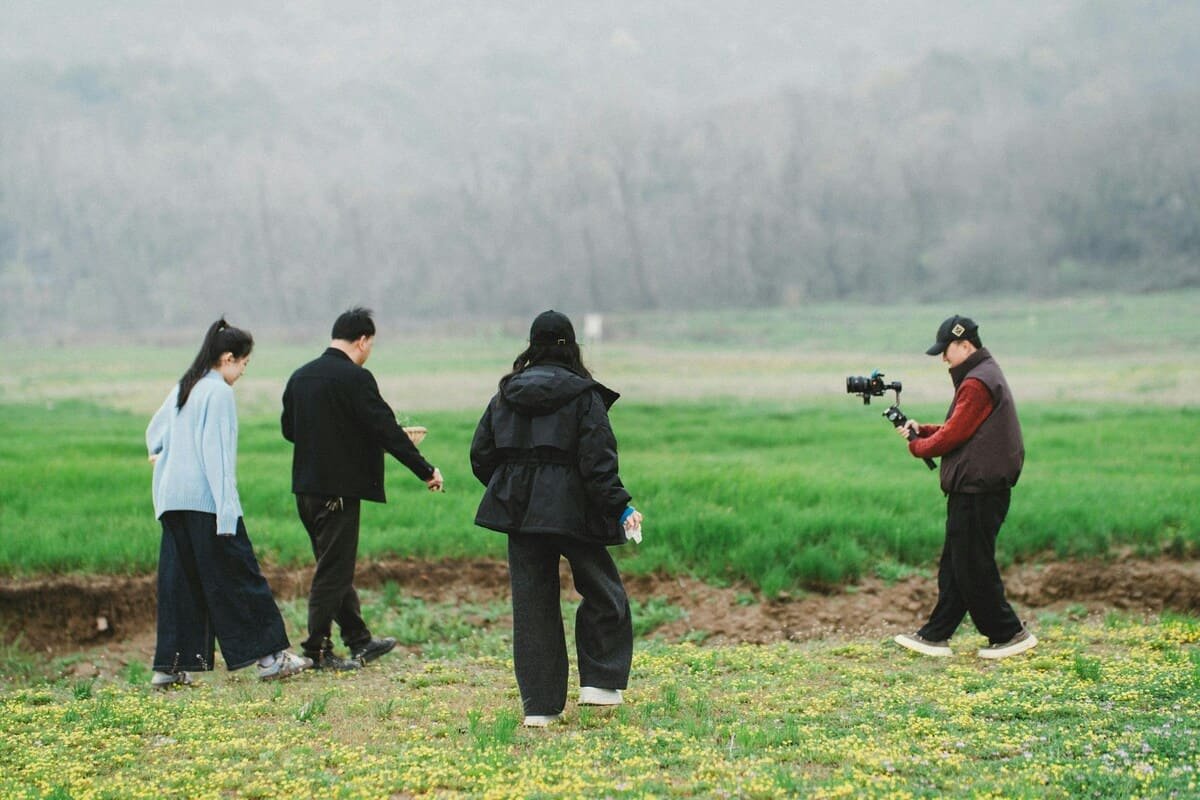
Teaching photography — through online courses, in-person workshops, YouTube, or 1:1 mentoring — is one of the most scalable income streams available to photographers with genuine expertise and an audience.
Online courses on platforms like Teachable, Kajabi, or Udemy can generate significant passive income once built. A well-structured course on a specific topic — wedding photography posing, Lightroom editing for portrait photographers, starting a newborn photography business — sold at $97–$297 to an engaged audience generates real revenue. The challenge is building the audience first: most photographers who successfully sell courses have built a social media following or email list over several years before launching their first course.
In-person workshops offer a premium experience that online courses can’t replicate. A one-day portrait lighting workshop for six participants at $250 each generates $1,500 in a single day. Location photography workshops — taking a small group to shoot in an interesting environment with your guidance — command $300–$800 per participant. The overhead is higher than online courses but the income per day is more immediate.
1:1 photography mentoring is the highest-priced educational offering and the most immediately accessible. If you have genuine expertise and a track record of strong work, offering mentoring sessions at $100–$300 per hour to photographers who want to develop their skills is a practical income stream that requires no platform building. A post on your existing social media offering mentoring is often all it takes to book initial clients.
YouTube is a longer-term play: building a photography YouTube channel with genuinely useful educational content can generate advertising revenue, affiliate income from gear recommendations, and leads for courses and services. Channels with 50,000+ subscribers generate meaningful advertising income; smaller channels are more valuable as marketing channels for other products and services than as direct revenue sources.
8. Selling Prints and Physical Products
Income potential: $200–$3,000+ per month for established print sellers
Getting started timeline: Variable — depends heavily on audience size
Selling prints — fine art prints, photo books, framed images, canvas wraps — is the income stream most associated with fine art and landscape photographers. The path to meaningful print income requires either a significant online audience (so you have traffic to your store), a physical presence (gallery representation, art fairs, market stalls), or a very specific niche where collector demand is strong.
Fine art prints sold through your own website (using print-on-demand fulfilment through companies like Printful, Prodigi, or Bay Photo) require no inventory investment. You upload your images, set retail prices above the print cost, and orders are fulfilled and shipped automatically. The challenge is marketing: without traffic to your store, you have no sales.
Art fairs and markets are an underrated sales channel for photographers. A well-presented booth at a local art fair with framed prints at accessible price points ($30–$200) generates immediate sales without requiring any online audience. Many photographers find art fairs a consistent quarterly income supplement.
Photo books — self-published books of a body of photographic work — are both a fine art product and a marketing tool. Self-publishing through Blurb, Magcloud, or Momento is accessible and inexpensive. Selling photo books through your website or at events generates income and reinforces your credibility as a serious photographer.
9. Licensing Existing Images
Income potential: $100–$10,000+ per licence depending on usage
Getting started timeline: Immediate, if you have a strong existing archive
Image licensing — selling the rights to use your existing photographs for specific purposes — is a revenue stream many photographers overlook because it requires no active shooting. A strong archive of images can generate licensing income years after the original shoots.
Common licensing scenarios: a travel journalist needs an image of a specific location you photographed; a book publisher needs a photograph for a chapter opener; a magazine needs an image for editorial use; a company wants to use your architectural photograph on their website.
Licensing can be managed through your own website (with a licensing enquiry form and a clear rights statement), through stock agencies, or through image licensing services like Picfair or ImageBrief. The most important requirement is having your images findable: keyword your archive thoroughly and ensure the images are indexed by search engines through your website or portfolio platform.
Pricing image licences correctly is an area where many photographers undercharge significantly. Tools like Getty’s pricing calculator or the NUJ’s recommended rates provide market-rate benchmarks — use them rather than guessing.
10. Photography-Adjacent Digital Products
Income potential: $500–$5,000+/month for established sellers
Getting started timeline: 6–12 months to build audience; products can be built in days
Photographers with strong editing skills, a defined aesthetic, and an engaged audience can build income through digital products that complement their photography:
Lightroom presets — single-click processing treatments that give images a specific look — have become a significant income stream for photographers with distinctive styles and social media audiences. A preset pack selling at $25–$60, marketed to the followers who ask “how do you edit your photos?”, can generate thousands of dollars in passive income with no ongoing effort after the initial build.
Photoshop actions and overlays — automated processing sequences, texture overlays, bokeh overlays, light leak effects — serve a similar market and require similar conditions: an audience, a distinctive style, and a product that clearly delivers the look that audience is attracted to.
Photography templates — Lightroom album templates, client gallery watermark designs, photography contract templates, session guide templates — serve the photographer market rather than the photography consumer market. These products are sold to other photographers rather than to photography clients.
Editing tutorials and preset bundles sold through platforms like Gumroad or your own website combine the educational and digital product streams: a preset pack bundled with a video tutorial explaining how and when to use each preset sells at a premium over either component alone.
Building Multiple Streams: A Realistic Progression
Most photographers don’t launch with ten income streams simultaneously. A realistic progression:
Year one: Focus on one primary active income stream (most commonly portraits or events for accessibility). Book clients, build a portfolio, establish a workflow, refine pricing.
Year two: Add a second active stream adjacent to the first (a portrait photographer adds headshots; an event photographer adds corporate clients). Begin building an email list and social media presence.
Years three to five: With stable active income and a growing audience, begin building passive streams — a preset pack, an online course, a stock portfolio, print sales. These take time to generate meaningful income but build toward financial resilience.
Year five and beyond: The most sustainable photography businesses have three to five income streams — typically two active (their primary service specialty and a secondary service), one or two passive (digital products, stock, courses), and growing repeat and referral income from an established client base.
What the Income Actually Looks Like
Realistic annual income ranges for different photography career stages in a mid-sized market:
| Stage | Description | Estimated Annual Income |
|---|---|---|
| Side income | Part-time, 1–2 bookings/month | $5,000–$15,000 |
| Transitioning full-time | Building client base, active marketing | $20,000–$40,000 |
| Established professional | Consistent bookings, some repeat clients | $40,000–$80,000 |
| Specialist / premium market | Strong niche, waitlist, high pricing | $80,000–$150,000+ |
| Diversified business | Multiple income streams, team or associates | $100,000–$300,000+ |
These ranges are wide because market, niche, pricing confidence, and business skills vary enormously between photographers. Location matters significantly — a wedding photographer in New York City operates in a completely different pricing environment from one in a rural market.
Further Reading
For the business infrastructure that supports these income streams — website, pricing strategy, contracts, local marketing, and client experience — our guide to marketing your photography business covers the full picture. For the portfolio and style development that underpins premium pricing, our guide to developing your photography style explains how to build a body of work worth charging seriously for.
For external resources, the Sprout Studio Photography Business Benchmark Report publishes annual data on what photographers actually earn across different niches and markets — one of the most useful empirical resources available for understanding real-world photography income. The Fstoppers community covers photography business topics with contributions from working professionals across multiple income streams.
Final Thoughts
There is genuine money in photography — but it does not come automatically from being a skilled photographer. It comes from treating the business side with the same seriousness as the craft side: understanding your market, pricing your work correctly, building the systems that generate consistent bookings and referrals, and gradually building passive income streams that reduce dependence on the next booking.
The photographers who build sustainable incomes are not necessarily the most talented in their market. They are the ones who show up consistently, communicate professionally, deliver reliably, and ask for referrals without embarrassment. Those habits, combined with genuinely good work, are what build a photography business that lasts.

Charles is a passionate photographer and visual storyteller with a keen eye for capturing authentic moments and timeless emotions. Through here, he combines creativity, technical expertise, and a love for natural storytelling to create images that preserve life’s most meaningful memories. His work focuses on genuine connections, beautiful details, and the unique stories behind every photograph.