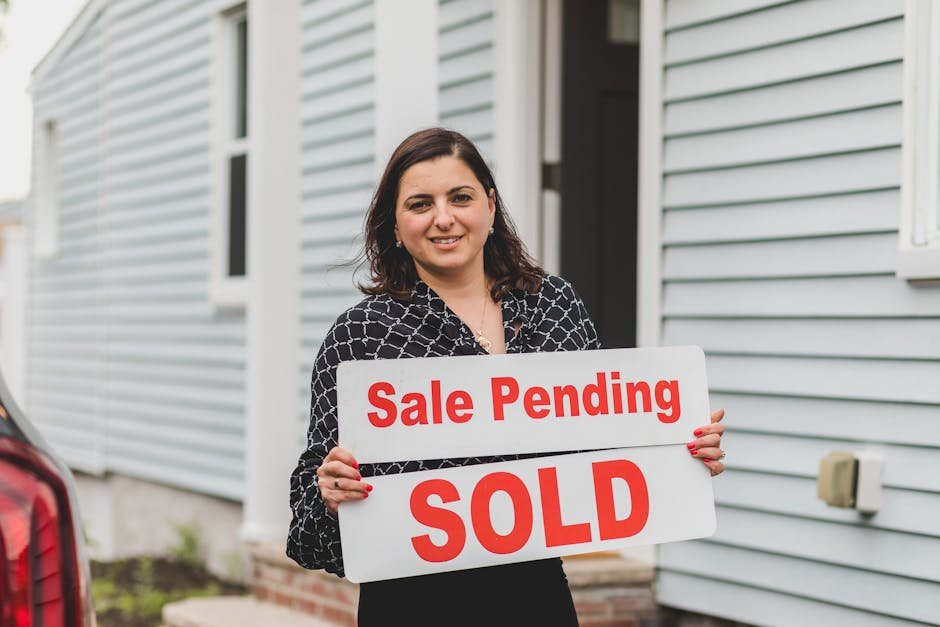
In my years as a professional photographer, I’ve found that real estate photography is more than just taking pretty pictures; it’s about crafting a visual narrative that compels potential buyers to imagine themselves in a space. This guide will delve into every aspect of a+ real estate photography, from understanding the basics to mastering advanced techniques, pricing your services, and building a thriving business. Whether you’re asking, “how to real estate photography?” or wondering, “is real estate photography a good career?” I’ll walk you through each element. In short: this is the ultimate guide on how to do property photography.
What is Real Estate Photography?
At its core, real estate photography involves capturing high-quality images and videos of properties for sale or rent. It’s a specialized field that demands a keen eye for detail, a mastery of composition, and a technical understanding of lighting and perspective. The goal is to showcase a property’s best features, create an emotional connection with viewers, and ultimately, help sell or rent the property faster and for a better price. The images need to create an illusion of the space and also to give an accurate depiction of it.
Why is Real Estate Photography Important?
In today’s digital age, most property searches begin online. Stunning visuals are often the first impression potential buyers or renters have of a property. High-quality real estate photography can significantly impact their decision to schedule a viewing. Here are a few reasons why real estate photography is important:
- Attract More Buyers: Professional photos grab attention and entice potential buyers to explore the listing further.
- Faster Sales: Properties with high-quality images tend to sell faster than those with amateur photos.
- Higher Sale Price: Well-presented properties can command a higher price in the market.
- Build Trust: Professional photography demonstrates attention to detail and builds trust with potential buyers or renters.
Getting Started: Equipment and Gear for Real Estate Photography
To get started in real estate photography, you’ll need a few essential pieces of equipment. While you don’t need the most expensive gear, investing in quality tools will make a significant difference in your results.
Camera Bodies
A DSLR or mirrorless camera with interchangeable lenses is essential. A full-frame sensor is ideal for capturing a wide dynamic range, but an APS-C sensor can also work well, especially when starting out. Keep in mind these key technical terms:
- Sensor Size: A larger sensor generally captures more light, resulting in higher image quality.
- Megapixels (MP): Aim for at least 20MP for sufficient detail in your images.
- ISO Sensitivity: Understanding ISO is important for low-light performance.
- Shutter Speed: Controlling shutter speed prevents blur.
Lenses
A wide-angle lens is crucial for capturing entire rooms in a single frame. A focal length of 16-35mm (for full-frame cameras) or 10-22mm (for APS-C cameras) is a good starting point. A zoom lens in this range will allow you to adapt to different-sized spaces.
Tripod
A sturdy tripod is non-negotiable for real estate photography. It ensures sharp images, especially in low-light conditions, and allows you to use longer exposures without camera shake.
Lighting Equipment
External flashes or strobes are essential for balancing the ambient light and creating a well-lit, inviting space. A speedlight with a diffuser or an off-camera flash system can work wonders. Even a simple reflector to bounce light can make a big difference. Proper use of lighting is a key aspect to how to take real estate photography.
Other Essential Gear
- Remote Shutter Release: Minimizes camera shake when using a tripod.
- Bubble Level: Ensures your camera is perfectly level for straight lines and minimal distortion.
- Color Calibration Tool: Ensures accurate color representation on your monitor and in your final images.
Mastering the Art: How to Shoot Real Estate Photography
Taking great real estate photos requires a blend of technical skill and artistic vision. Here are some tips to help you master the art:
Staging and Preparation
Before you even pick up your camera, work with the realtor or homeowner to ensure the property is properly staged. This includes decluttering, cleaning, and arranging furniture to showcase the space’s best features. Pay attention to details like fresh flowers, neatly made beds, and clean countertops.
Composition and Framing
Use the principles of composition, such as the rule of thirds, leading lines, and symmetry, to create visually appealing images. Capture rooms from multiple angles to showcase their size and layout. Pay attention to vertical lines, ensuring they are straight to avoid distortion.
Lighting Techniques
Mastering light is essential for real estate photography. Here are some tips:
- Natural Light: Use natural light whenever possible, but be mindful of harsh shadows and blown-out highlights.
- Flash: Use flash to fill in shadows and balance the light in a room. Experiment with different flash techniques, such as bouncing the flash off the ceiling or using off-camera flash.
- HDR (High Dynamic Range): Capture multiple exposures and combine them in post-processing to create an image with a wider dynamic range.
Post-Processing
Post-processing is a crucial step in real estate photography. Use software like Adobe Lightroom or Photoshop to adjust exposure, color balance, contrast, and sharpness. Remove any distractions, correct lens distortion, and straighten vertical lines. Pay close attention to detail and strive for a clean, professional look.
Building Your Business: How to Start Real Estate Photography
Starting a real estate photography business requires more than just photography skills. You’ll also need to be a savvy entrepreneur. Here are some tips to help you get started in real estate photography:
Pricing Your Services
Determining your pricing can be tricky. Research the market rates in your area and factor in your experience, equipment costs, and time spent on each project. Consider offering different packages to cater to various budgets and needs. The question of how much is real estate photography often depends on the complexity of the project. Here’s how to charge for real estate photography:
- Square Footage: Price increases with the home’s size.
- Services Included: Factors in drone footage, floor plans, etc.
- Experience Level: Beginners often charge less.
Marketing Your Business
Effective marketing is essential for attracting clients. Here are some strategies to promote your real estate photography business:
- Build a Website: Showcase your portfolio and provide information about your services and pricing.
- Network with Realtors: Attend real estate events, join local real estate associations, and reach out to realtors directly.
- Social Media Marketing: Use social media platforms like Instagram and Facebook to showcase your work and connect with potential clients.
- Offer Discounts and Promotions: Attract new clients with introductory offers or package deals.
How to market real estate photography is a skill in itself. Focus on showcasing the value you bring to realtors.
Building Relationships
Building strong relationships with realtors is key to long-term success. Provide excellent customer service, be reliable and responsive, and always go the extra mile to exceed their expectations. Realtors should feel that do realtors pay for photography, they get great value.
Is Real Estate Photography Worth It?
So, is real estate photography worth it? In my experience, the answer is a resounding yes! While it requires dedication, skill, and business acumen, real estate photography can be a rewarding and lucrative career. There’s always demand for high-quality visuals in the real estate market, and if you’re passionate about photography and have a strong work ethic, you can definitely succeed. For those wondering, “is real estate photography in demand?” the answer is still yes, especially with the rise of online property listings.
Who Pays for Real Estate Photography?
Typically, the realtor pays for real estate photography as part of their marketing budget for a listing. However, in some cases, the homeowner may cover the cost, especially if they are selling the property themselves (FSBO). It’s important to clarify who will be responsible for payment upfront to avoid any misunderstandings.
Final Thoughts
Real estate photography is a dynamic and rewarding field. By mastering the technical aspects, developing your artistic eye, and building strong relationships with clients, you can create a successful and fulfilling career. Remember to stay up-to-date with the latest trends and technologies, and never stop learning and growing. So, if you’re wondering, “how do I get started in real estate photography?”, take the first step today and start capturing success!