In my career as a photographer, I’ve found that understanding ISO is absolutely fundamental. It’s one of the core elements of the exposure triangle, along with aperture and shutter speed. Mastering it unlocks creative control and allows you to capture stunning images in various lighting conditions. Let’s delve into what ISO is, how it works, and how you can use it to elevate your photography.
What is ISO in Photography? Decoding ISO Sensitivity
At its core, ISO in photography refers to the sensitivity of your camera’s image sensor to light. Think of it as a volume control for light. The term ‘ISO’ itself originally stood for International Organization for Standardization, the group that defined the standards for film sensitivity. While it’s no longer a direct representation of film sensitivity in digital cameras, the term stuck and is now universally used.
So, what does ISO mean in photography? Essentially, it determines how much the camera amplifies the light it receives. A lower ISO means less amplification, resulting in a cleaner image. A higher ISO means more amplification, allowing you to shoot in dimmer environments, but potentially at the cost of image quality.
Understanding ISO Values: From ISO 100 to High ISO
ISO is measured in numbers, typically starting at 100 or 200 and doubling with each step (e.g., 100, 200, 400, 800, 1600, 3200, and so on). What is ISO 100 in photography? It’s generally considered the base ISO, offering the best image quality with the least amount of noise. As you increase the ISO number, the sensor becomes more sensitive to light.
What is high ISO in photography? This refers to ISO values above the base ISO, usually starting around 800 or 1600, depending on your camera. While high ISO settings allow you to shoot in low-light conditions, they also introduce noise (graininess) into your images.
How to Use ISO in Photography: Practical Applications
How to use ISO photography effectively depends on the shooting scenario. Here’s a breakdown of common situations and suggested ISO settings:
- Bright daylight: Use a low ISO, such as 100 or 200, for the best image quality.
- Indoor photography (well-lit): Increase the ISO to 400 or 800.
- Indoor photography (poorly lit): You might need to go even higher, to 1600 or 3200.
- Night photography: High ISO settings like 3200, 6400, or even higher may be necessary. The best ISO for night photography depends on the available light and your camera’s noise performance.
- Star photography and night sky photography: Similar to general night photography, a high ISO is usually required. Experiment to find the ideal balance between brightness and noise.
- Sports photography: Fast shutter speeds are crucial to freeze motion in sports. In situations with low light, you might need to increase the ISO considerably, and use the best iso for sports photography your camera can manage to keep the image clean and the action sharp.
What Does ISO Affect in Photography? Balancing Light and Noise
What does ISO do in photography? It primarily controls the brightness of your image. However, it also impacts image noise (graininess) and, to a lesser extent, dynamic range (the range of tones your camera can capture).
What does ISO change in photography? Increasing ISO brightens the image, but it also increases the level of noise. The higher the ISO, the more noise you’ll see. Finding the right balance between brightness and noise is key.
ISO and Other Settings: The Exposure Triangle
Remember that ISO works in conjunction with aperture and shutter speed to create a properly exposed image. These three elements form the exposure triangle. Adjusting one setting often requires adjusting the others to maintain the desired exposure.
What is ISO, aperture, and shutter speed in photography? They are the three pillars of exposure control. Understanding how they interact is essential for creative control over your images.
The Purpose of ISO: Why Is ISO Important?
Why is ISO important in photography? It gives you the flexibility to shoot in a variety of lighting conditions. It allows you to capture images that would otherwise be impossible due to insufficient light.
What is ISO in photography used for? Its primary purpose is to brighten or darken an image. But its secondary effect, noise, needs careful consideration.
Is ISO an Acronym? What Does ISO Stand For?
While commonly used, ISO does not technically stand for an acronym in the context of digital photography anymore. As mentioned earlier, it originally referred to the International Organization for Standardization, which established standards for film sensitivity. While the name stuck, it’s now simply a term used to denote a camera’s sensitivity to light.
ISO in Film Photography vs. Digital Photography
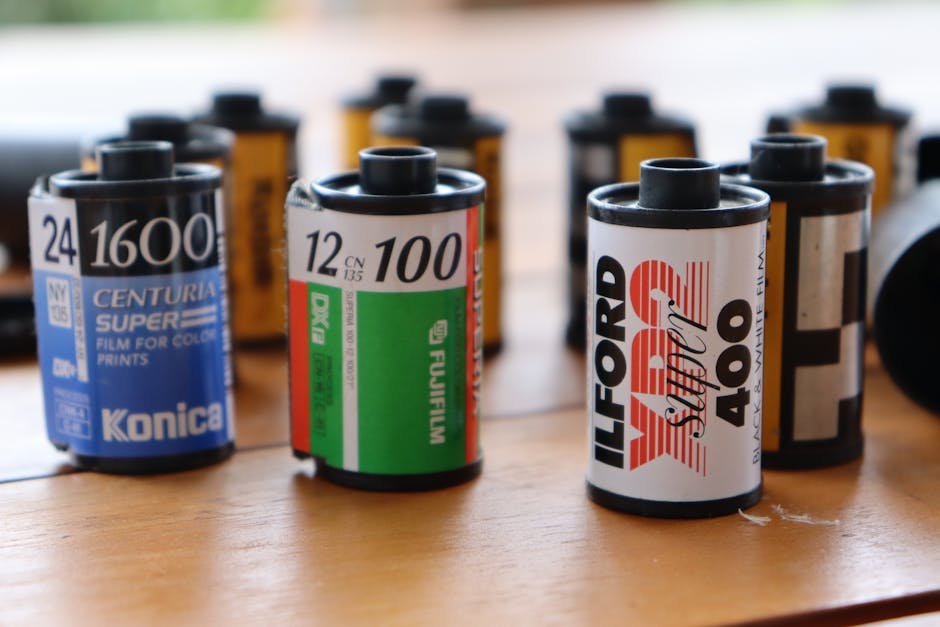
The concept of ISO in film photography is similar to that in digital photography. It represents the film’s sensitivity to light. However, unlike digital cameras, you can’t change the ISO mid-roll in film cameras. You’re stuck with the ISO of the film you loaded.
Conclusion: Mastering ISO for Better Photography
Understanding and effectively using ISO is a crucial skill for any photographer. By balancing ISO with aperture and shutter speed, you can capture stunning images in any lighting situation. So, experiment with different ISO settings and discover how they impact your images. With practice, you’ll be able to confidently control ISO and unlock your creative potential.