Pricing is where most photographers lose money — not because they charge too much, but because they charge too little. The pattern is almost universal: a photographer starting out looks at what competitors charge, picks a number slightly below to seem accessible, and discovers months later that after accounting for equipment, software, editing time, travel, and taxes, they earned less per hour than minimum wage.
This guide fixes that. It covers the exact calculations you need to set prices that are profitable, the psychology behind presenting those prices, how rates differ across photography niches, and how to raise your prices without losing your client base. Numbers throughout are realistic market-rate benchmarks — not aspirational, not pessimistic.
This is the pricing companion to our broader guides on marketing your photography business and photography income streams — which cover how to find clients and what services to offer. This article focuses on the mechanics of what to charge once you have clients to charge.
Why Most Photographers Underprice
Before the numbers, it helps to understand the psychology that causes systematic underpricing. There are three recurring patterns:
Comparing to competitors without understanding their costs. If another photographer in your market charges $500 for a portrait session, that number tells you nothing about whether it’s profitable. They might have a home studio with no rent. They might be subsidised by a working partner. They might be running their business at a loss and don’t know it yet. Never set prices based purely on competitor rates — build from your own costs upward.
Forgetting about time that isn’t shooting. A two-hour portrait session is typically followed by four to eight hours of culling, editing, exporting, and delivering images. A wedding that shoots for ten hours generates twenty to forty hours of post-processing. If your pricing only accounts for time behind the camera, you are significantly undervaluing your actual time investment.
Treating photography income like employee income. An employee who earns $30/hour takes home most of that. A self-employed photographer who charges $30/hour keeps roughly $15–$20 after self-employment tax, income tax, and business expenses. The freelance premium — the rate above employment income required to make self-employment viable — is typically 2–3x the equivalent employment rate.
Understanding these three patterns is the foundation of pricing correctly.
Step One: Calculate Your Cost of Doing Business (CODB)

The Cost of Doing Business calculation is the non-negotiable starting point for any photographer setting rates. It tells you the minimum you must earn to keep the lights on — before paying yourself anything.
Work through this calculation annually and review it whenever your expenses change significantly.
Fixed Annual Costs
These costs occur regardless of how many shoots you book:
| Expense | Typical Annual Range |
|---|---|
| Camera body depreciation (replace every 4–5 years) | $300–$800 |
| Lens depreciation (replace every 8–10 years) | $200–$600 |
| Lighting equipment depreciation | $100–$400 |
| Adobe Creative Cloud (photography plan) | $120 |
| Lightroom/Capture One subscription | $120–$220 |
| Gallery delivery platform (Pixieset, ShootProof, etc.) | $120–$300 |
| Website hosting and domain | $120–$300 |
| CRM / booking software (HoneyBook, Dubsado, etc.) | $160–$400 |
| Professional liability insurance | $300–$600 |
| Equipment insurance | $200–$500 |
| Accounting software | $120–$300 |
| Marketing and advertising | $500–$2,000 |
| Professional development (courses, conferences) | $200–$800 |
| Total typical fixed costs | $2,560–$7,340 |
Variable Costs Per Shoot
These costs vary depending on the shoot:
| Expense | Typical Per-Shoot Range |
|---|---|
| Travel / mileage ($0.67/mile current IRS rate) | $10–$150 |
| Second shooter (if required) | $150–$400 |
| Equipment rental (if required) | $0–$200 |
| Props, backdrops, or consumables | $0–$100 |
| Printing or product costs (if included) | $0–$300 |
| Total typical variable costs | $10–$1,150 |
Your Personal Income Requirement
This is what you need to take home after all business expenses — enough to cover your living costs, savings, and personal taxes. Be honest and realistic. If you need $40,000/year to live and run your personal finances, that is your personal income requirement.
The CODB Formula
Example:
- Fixed annual costs: $4,500
- Variable costs per shoot: $80 average
- Planned shoots per year: 80
- Personal income requirement: $45,000
Minimum Annual Revenue = $4,500 + ($80 × 80) + $45,000 = $55,900
Minimum Revenue Per Shoot = $55,900 ÷ 80 = $699 per shoot minimum
If you are charging less than $699 per booking in this example, you are running your business at a loss or below your personal income target.
Run this calculation with your own numbers before setting any rates. The result may surprise you — most photographers who have never done this calculation discover their prices are 30–50% below where they need to be.
Step Two: Account for All Your Time
A critical refinement to the CODB calculation: the “number of shoots per year” in the formula above is not the number of hours you work — it is the number of billable bookings. Most photographers significantly overestimate how many bookings they can realistically complete in a year when all associated time is accounted for.
The Time Reality Check
For a typical portrait session:
| Activity | Time |
|---|---|
| Initial enquiry and booking communication | 30–60 min |
| Pre-shoot planning and client prep | 30–60 min |
| Travel to and from location | 30–90 min |
| Shoot time | 60–120 min |
| Culling images | 60–120 min |
| Editing and processing | 120–240 min |
| Export, upload, and delivery | 30–60 min |
| Post-delivery follow-up | 15–30 min |
| Total time per "two-hour session" | 6–12 hours |
For a typical wedding:
| Activity | Time |
|---|---|
| Sales consultation and contract | 1–2 hours |
| Pre-wedding planning meetings | 1–3 hours |
| Wedding day coverage | 8–12 hours |
| Culling (1,500–2,500 images shot) | 3–5 hours |
| Editing (400–600 delivered images) | 20–40 hours |
| Album design (if included) | 3–8 hours |
| Export, upload, and delivery | 1–2 hours |
| Total time per wedding | 37–72 hours |
A photographer working 40 hours per week with 48 working weeks per year has 1,920 available hours. If each wedding consumes 50 hours of actual time (shooting + everything else), that photographer can complete a maximum of 38 weddings per year at full capacity — not the 52 (one per week) that naive planning might suggest. And 38 weddings at full capacity leaves very little time for any other services, business development, or personal life.
Understanding your real capacity is essential to setting prices that are sustainable rather than technically correct on paper but impossible to deliver in practice.
Step Three: Research Your Market
With your minimum viable rate established from the CODB calculation, research where the market in your area prices similar services. This context tells you whether your minimum is competitive (you’re in the ballpark of the market) or whether you need to either adjust your cost structure or position yourself differently.
How to research local photography pricing:
Search for photographers in your city who work in your niche and have been operating for at least two years. Focus on photographers whose portfolio quality is roughly comparable to yours — not the cheapest or the most expensive in the market.
Note what they charge for comparable services: a one-hour portrait session, a half-day commercial shoot, full wedding day coverage. Compile ten to fifteen data points. This gives you a realistic sense of market range.
What to do if your CODB minimum is above the market:
This is more common than it sounds, particularly in smaller markets or lower cost-of-living areas. Options:
- Reduce costs (equipment depreciation, software subscriptions, insurance — but don't cut insurance)
- Reduce your personal income target for a transition period while building the business
- Differentiate your service to justify premium pricing above the commodity market rate
- Pursue a different niche with higher market rates in your area
What to do if your CODB minimum is well below the market:
Your market will support higher prices than your costs require. Raise your rates toward the market rate rather than pricing at your minimum — leaving money on the table is not a virtue, and underpricing signals lower quality to many clients rather than value.
Pricing by Photography Niche
Market rates vary significantly by niche, market size, and photographer experience level. These ranges represent realistic rates for established photographers in mid-sized US/UK markets in 2026.
| Package Level | Coverage | Typical Price Range |
|---|---|---|
| Entry-level | 6–8 hours, one photographer, digital files | $1,800–$2,800 |
| Mid-range | 8–10 hours, second shooter, digital files | $3,000–$5,000 |
| Premium | Full day, second shooter, engagement session, album | $5,000–$10,000 |
| Luxury / destination | Full weekend, multiple photographers, albums | $10,000–$25,000+ |
What drives rate variation in weddings: Market size (NYC, LA, London weddings command 2–3x small-town rates), the couple’s budget and expectations, the photographer’s portfolio strength and reputation, the number of images delivered and quality of editing, and whether an album is included.
Deposit and payment structure: Standard industry practice is a 25–50% non-refundable booking retainer at contract signing, with the balance due 2–4 weeks before the wedding date. Never shoot a wedding without a signed contract and paid retainer.
Portrait Photography
| Type | Session Duration | Typical Price Range |
|---|---|---|
| Mini sessions | 20–30 minutes, 5–10 images | $75–$200 |
| Standard family portrait | 60–90 minutes, 20–40 images | $200–$500 |
| Extended portrait session | 2–3 hours, 40–80 images | $400–$900 |
| Newborn photography | 2–4 hours, 30–60 images | $350–$800 |
| Maternity session | 60–90 minutes, 20–40 images | $250–$600 |
| Professional headshots | 30–60 minutes, 5–15 images | $200–$500 |
| Personal branding session | 2–3 hours, 50–100 images | $500–$1,500 |
Product-based vs digital file pricing: Some portrait photographers sell sessions at a relatively low fee ($100–$250) and generate primary revenue through an in-person sales appointment where clients purchase prints, wall art, and albums at retail markup. This model requires sales skills but regularly produces average transaction values of $800–$2,500+ per client, significantly exceeding digital-file-only pricing.
Commercial Photography
| Service | Typical Rate |
|---|---|
| E-commerce product photography (simple) | $25–$75 per product |
| E-commerce product photography (styled) | $75–$250 per product |
| Food photography (restaurant/brand) | $500–$2,000 per half-day |
| Corporate headshots (on-location, multiple subjects) | $150–$350 per person |
| Corporate event photography | $150–$300 per hour |
| Architectural/real estate (standard residential) | $150–$400 per property |
| Architectural (luxury or commercial) | $500–$2,000 per shoot |
| Full commercial brand day rate | $1,500–$5,000+ per day |
Event Photography
| Service | Typical Rate |
|---|---|
| Corporate conference or seminar | $150–$300 per hour |
| Gala or charity event | $200–$400 per hour |
| Private party (birthday, anniversary) | $100–$200 per hour |
| Concert or festival | $150–$400 per hour |
| Sports event | $100–$250 per hour |
Minimum booking requirements: Most event photographers apply a minimum booking — typically 2–4 hours — to make short events economically viable after travel and setup time.
Building Photography Packages
Packages simplify the buying decision for clients, increase perceived value, and protect your minimum revenue per booking. The most effective package structures for different niches:
The Three-Tier Package Structure
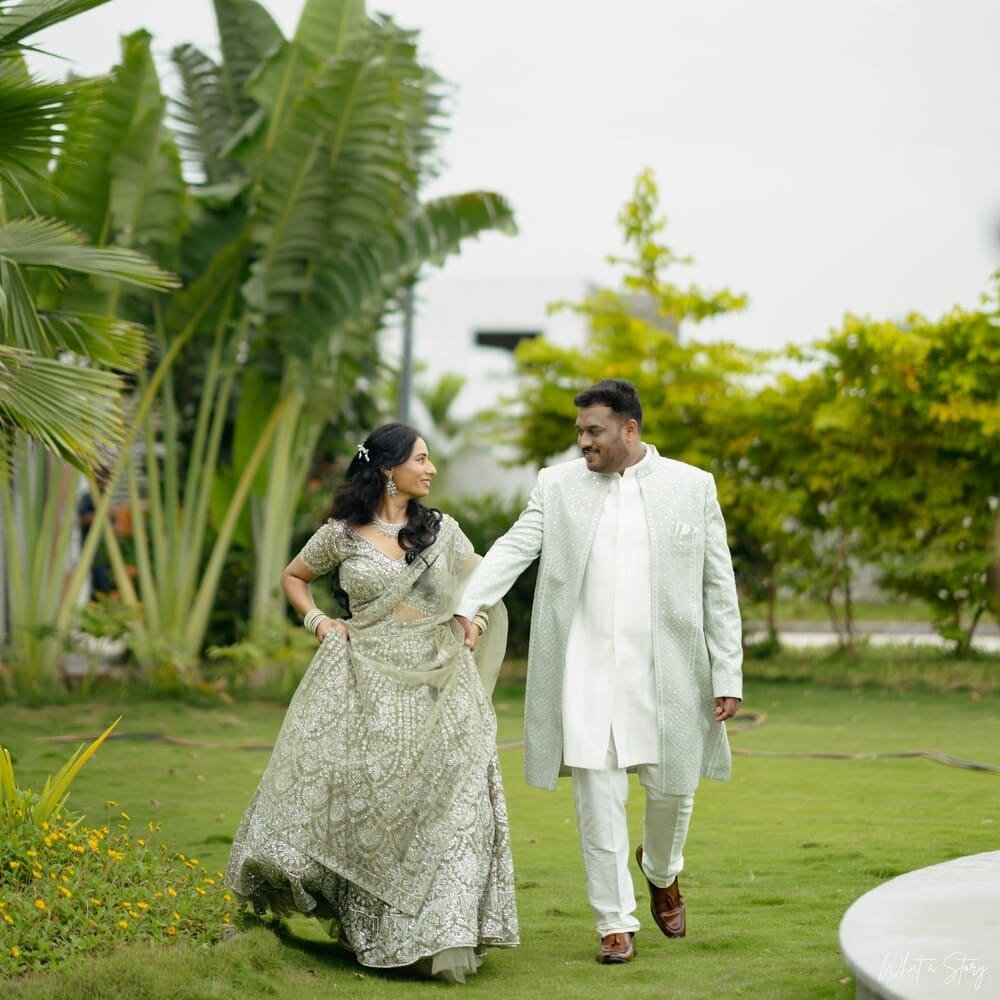
The most psychologically effective packaging for most photography services uses three options. Research on consumer decision-making consistently shows that three choices outperform two or five in terms of conversion — two feels insufficient, five is overwhelming. Three allows clients to self-select without analysis paralysis.
The three tiers should be genuinely different in scope, not just price. Clients can smell padded packages where the “premium” tier adds token extras to justify the price jump.
- ✓60-minute session
- ✓20 edited digital images
- ✓Online gallery for 30 days
- ✓90-minute session
- ✓Two outfit changes
- ✓40 edited digital images
- ✓Online gallery for 90 days
- ✓One 8×10 fine art print
- ✓3-hour session
- ✓Unlimited outfit changes
- ✓All edited images (60–100+)
- ✓Permanent online gallery access
- ✓One 16×20 wall print
- ✓4×6 print set of 10
Positioning: The middle package is typically your target sale — priced to be clearly better value than Essential while the jump to Premium feels optional rather than essential. Most clients select the middle option. Price it accordingly.
Add-Ons and À La Carte Options
Beyond the core packages, offer specific add-ons that allow clients to customise without building custom packages from scratch:
- Additional edited images beyond package allowance: $15–$25 per image
- Rush delivery (within 48–72 hours): $75–$150
- Additional shoot location: $75–$150
- Extended session time: $75–$150 per 30 minutes
- Canvas or fine art print upgrades: at retail markup over your wholesale cost
- Album design and production: $300–$800 depending on size
Add-ons increase average transaction value without complicating the initial buying decision.
Presenting Your Prices With Confidence
How you present and discuss your prices affects conversion as much as the prices themselves. Several principles that consistently improve results:
Lead with value, follow with price
Never open a client conversation by stating your price. Open by asking questions to understand what they need, discuss what the experience will look like for them, share relevant portfolio work, and build a picture of the value before the number lands. A client who understands what they’re getting — and has already emotionally engaged with the idea of working with you — receives your price in a completely different frame than one who reads it cold from a price list.
Stop apologising for your rates
The single most damaging thing photographers do when discussing pricing is soften or apologise: “I know it’s a lot, but…” or “I completely understand if it’s too much…” This communicates that you yourself are not convinced your prices are justified. State your prices directly and with confidence. Clients take their cues from your body language and tone — if you believe your rates are fair, they are far more likely to believe it too.
Know your walk-away point
Before any client conversation about pricing, know the minimum you will accept and commit to walking away if the conversation goes below it. Discounting under pressure — when a client expresses hesitation or says they’ve “seen cheaper” — invariably attracts price-sensitive clients who are harder to work with, more demanding, and less likely to provide referrals. The clients who haggle hardest are rarely the ones who become your best brand advocates.
Silence after quoting
After stating your price, stop talking. Many photographers immediately start justifying, hedging, or offering discounts before the client has even responded. Quote your price, state what it includes, and wait. Silence is not rejection — it is processing. Let it happen.
How and When to Raise Your Prices
Raising prices is one of the most uncomfortable and most necessary things a growing photographer does. Signs that a price increase is overdue:
You are booking more than 80% of enquiries. If almost everyone who enquires books, you are underpriced. A healthy conversion rate for most photography services is 50–70% — enough to indicate strong demand without suggesting your prices have no filter function.
Your calendar is full months in advance. Demand exceeding capacity means clients value your work more than your current prices reflect.
You are exhausted and not growing financially. If you are maximally busy and still not meeting your financial goals, the work is not the problem — the pricing is.
How to raise prices without alienating existing clients
Raise on new enquiries first. Existing clients who have booked at current rates are not affected. New enquiries receive the new rates. This is the simplest and least disruptive approach.
Give notice to repeat clients. If you have regular clients who book repeatedly — families who do annual sessions, businesses who book quarterly headshots — give them personal advance notice of an upcoming price change and offer a booking window at current rates. This is respectful, generates bookings from warm leads, and softens the transition.
Raise gradually, not dramatically. A 15–20% annual increase is absorbing and justifiable; a 60% overnight increase requires explanation. Gradual, consistent annual increases are less jarring than large irregular ones.
Never explain or apologise for price increases. A brief, matter-of-fact statement that your rates have been updated is all that is required. You do not owe clients a justification for adjusting your business pricing any more than a restaurant owes a justification for updating its menu prices.
Contracts and Payment Terms

Pricing discussions are incomplete without addressing the contracts and payment structures that protect both parties.
Deposits / retainers: A non-refundable booking retainer — typically 25–50% of the total — secures the date and compensates you for the time held. Never hold a date without a signed contract and paid retainer. Verbal commitments are unenforceable and routinely evaporate.
Payment schedules: Common structures include: full payment upfront at booking (typical for lower-cost sessions), deposit at booking with balance due on or before the shoot date, or deposit at booking with balance due on delivery for commercial work.
Late payment terms: Specify in your contract what happens if payment is not received on time — typically a late payment fee (1.5–2% per month) and a provision that delivery is withheld until payment is complete.
Cancellation policy: Define what happens if the client cancels — how much of the retainer is retained and under what timeline. A standard structure: retainer is non-refundable in all cases; if cancellation occurs within 30 days of the shoot, the full balance is due; rescheduling within a specified window may be permitted.
Photography-specific contract templates from The Law Tog and ShootProof are written by lawyers who understand photography IP and licensing — use specialist templates rather than generic freelance contracts.
Further Reading
For empirical data on what photographers actually charge across different niches and markets, the Sprout Studio Photography Business Benchmark Report publishes annual survey data from thousands of working photographers — one of the most useful data sources for calibrating your rates against the real market. The ASMP’s pricing guidelines are the industry standard reference for commercial photography and licensing rates.
On the Haiku Photography Blueprint, our guide to photography income streams covers the full range of ways photographers generate revenue, and our marketing guide covers how to attract clients willing to pay professional rates. For photographers still building the portfolio quality that justifies premium pricing, our guide to developing your photography style covers the creative development work that underpins premium positioning.
Final Thoughts
Photography pricing is not a fixed number you set once and forget. It is a living part of your business that should be reviewed annually, adjusted as your costs change, and raised as your demand increases and your portfolio strengthens.
The photographers who consistently earn well are not always the most talented in their market. They are the ones who understand their costs, price from a position of knowledge rather than anxiety, communicate their value with confidence, and raise their rates before the market forces them to. Build that discipline early and it compounds significantly over a career.

Charles is a passionate photographer and visual storyteller with a keen eye for capturing authentic moments and timeless emotions. Through here, he combines creativity, technical expertise, and a love for natural storytelling to create images that preserve life’s most meaningful memories. His work focuses on genuine connections, beautiful details, and the unique stories behind every photograph.